Discover
Share the concern, treatment area and change you would like to explore
Loading
Please wait while the page content is assembled.

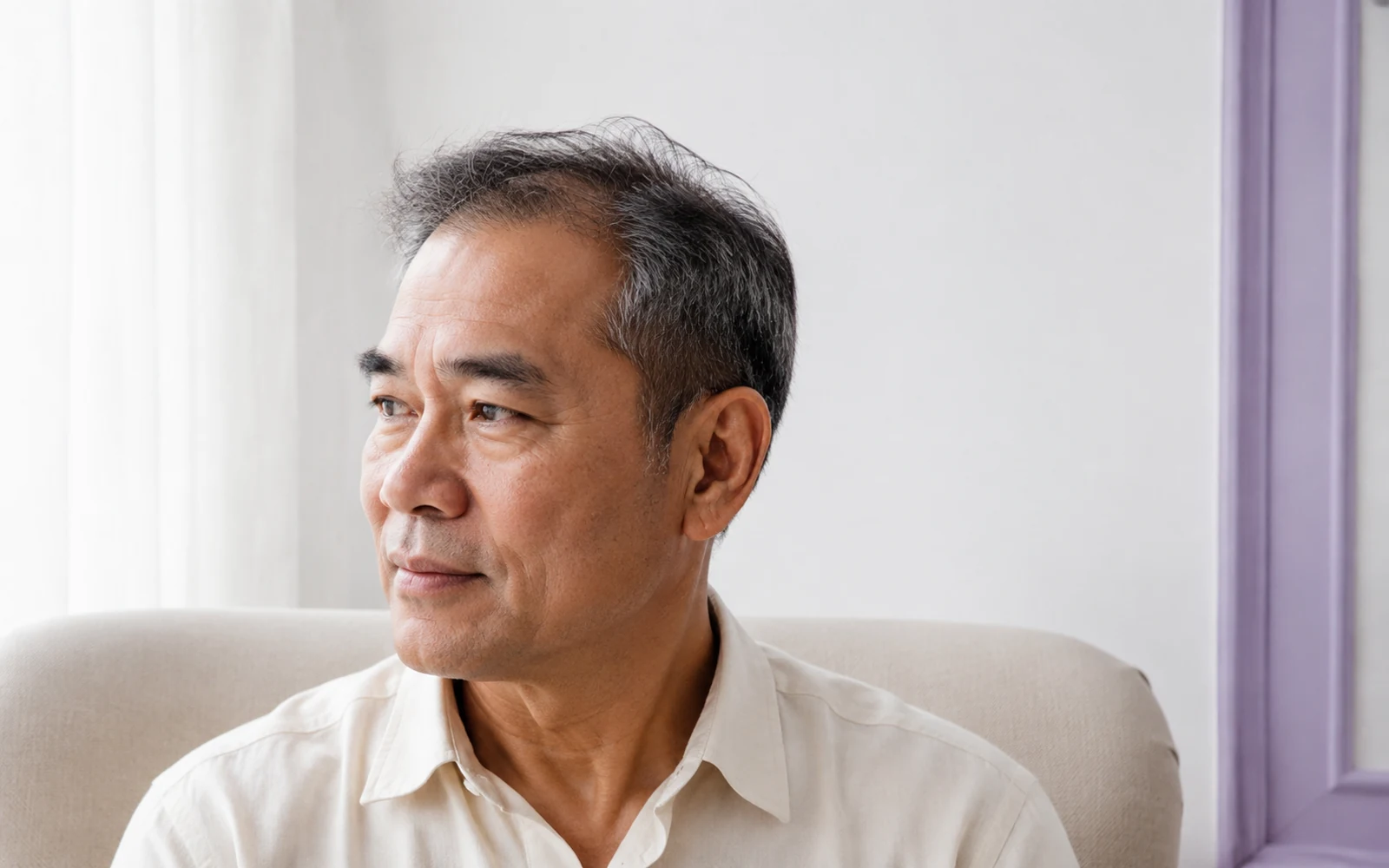
PRP scalp hair treatment uses a patient’s own blood sample, which is processed to concentrate platelet-rich plasma before being injected into selected scalp areas. It may be considered as a supportive treatment for selected hair thinning or non-scarring hair loss concerns after doctor assessment.
PRP scalp hair treatment uses a patient’s own blood sample, which is processed to concentrate platelet-rich plasma before being injected into selected scalp areas. It may be considered as a supportive treatment for selected hair thinning or non-scarring hair loss concerns after doctor assessment.
01 / How it works
PRP stands for platelet-rich plasma. It is prepared from your own blood sample, which is processed using a centrifuge to concentrate platelets and growth factors before being injected into the treatment area. Non-surgical management with autologous PRP works by helping to support the scalp environment, complement the hair follicle’s natural anagen (growth) phase, and aid in tissue recovery. Treatment may also involve education on proper scalp care, nutritional blood tests (such as checking ferritin, thyroid function, or vitamin D), and specific doctor-directed medications. In selected situations, targeted PRP scalp injections may be used to complement a broader, comprehensive hair loss plan.
Because treating hair loss blindly with unverified “miracle” serums can mask underlying medical issues, expert doctor-led planning is critical to avoid complications and ensure an accurate diagnosis. PRP is not the same as stem cells, exosomes, PDRN, or CYJ Hair Filler. Our doctor plans these treatments conservatively for patients from Taman Pelangi, Mount Austin, and across Singapore, ensuring a safe approach that strictly adheres to proper blood-handling and sterile protocols. Patients appreciate that we prioritise steady, gradual improvement over aggressive, quick fixes that do not address the root cause of the shedding.
PRP scalp hair treatment uses a patient’s own blood sample, which is processed to concentrate platelet-rich plasma before being injected into selected scalp areas. It may be considered as a supportive treatment for selected hair thinning or non-scarring hair loss concerns after doctor assessment.
Share the concern, treatment area and change you would like to explore
Shape the approach around your features, preferences and schedule
Experience a carefully planned session with clear guidance throughout
Follow simple aftercare and review how the treatment is progressing

02 / Visual guide
PRP scalp hair treatment uses a patient’s own blood sample, which is processed to concentrate platelet-rich plasma before being injected into selected scalp areas. It may be considered as a supportive treatment for selected hair thinning or non-scarring hair loss concerns after doctor assessment.
Interactive treatment map
Tap a numbered point to move from your concern to the treatment approach, how it works and a personalised plan.
Start with the change you have noticed and the result you would like to explore.
Concerns & areas
Explore common areas and goals, then discuss which are most relevant to you.
Learn how this area can be approached within a personalised treatment plan.
Who may benefit
Scalp Assessment: Our doctor examines your scalp using trichoscopy (if available) to determine follicle miniaturization, inflammation, and potential shedding patterns. For example, relying solely on PRP without addressing a severe thyroid issue or active scarring alopecia will lead to disappointing results.
Personalised Plan: We will recommend the appropriate non-surgical care, which may include topical minoxidil, prescription medicine, low-level laser therapy, microneedling, or PRP injections based on your specific needs and blood health. We also advise if a hair transplant referral is needed for advanced cases.
What to discuss first
03 / Your treatment journey
A calm, well-explained experience at every stage.
Talk through the concern, your previous experiences and the result you would like to explore.
Review the treatment area, suitable options, expected experience and practical timing.
Arrive prepared and receive clear guidance throughout the treatment visit.
Leave with simple aftercare, helpful contact details and a plan for review.
During your procedure, the doctor will carefully review your scalp assessment, explain the diagnosis, and discuss options. If PRP is deemed suitable, a standard blood draw is performed. The blood is then processed in a centrifuge to separate and concentrate the platelet-rich plasma. The scalp is cleansed, and the doctor will carefully deliver the PRP using sterile techniques. Most patients tolerate the procedure well, though there may be mild injection discomfort, and comfort is prioritized.
Follow-up Reviews: It takes time for the scalp environment to stabilize and for the hair cycle to respond, as hair naturally grows slowly. We schedule regular review appointments to monitor your progress and ensure your follicle health is improving safely.
The primary benefit of this treatment is the potential improvement in the scalp environment, which may support better hair density and thickness in suitable cases. It actively complements evidence-based treatments like minoxidil or finasteride. Results vary based on your diagnosis, age, hair loss stage, genetics, platelet quality, hormonal balance, nutritional status, treatment consistency, and compliance with aftercare. Maintenance strategies are typically needed. Our patients from Tebrau, Permas Jaya, and Medini appreciate that we prioritise safe, realistic expectations. Whether you are a JB local or a Singapore visitor, we focus on steady, supportive improvements rather than risking unproven ‘miracle’ treatments or unauthorized stem cell/exosome claims.
Safe PRP scalp hair treatment requires a clear understanding of the blood draw and recovery process. Because PRP uses your own blood, the risk of allergic reaction is lower compared to some synthetic products, but injection risks remain. After the procedure, you may experience common temporary effects such as mild redness, slight swelling, small bumps at the injection sites, tenderness, itching, headache, bruising, bleeding, or dizziness from the blood draw. We will provide clear instructions, such as resting the treated area initially, staying hydrated, keeping the scalp clean, and strictly avoiding hair dye, harsh scalp scrubs, saunas, or heavy sweating for the advised period.
You will also be advised to avoid scratching or massaging the injection points to prevent infection. More importantly, we educate our patients on emergency red flags: if you experience sudden severe pain, rapidly spreading swelling, increasing heat, pus, fever, fainting, or sudden patchy hair loss, you must contact the clinic or seek urgent medical help immediately. By setting realistic expectations and providing detailed post-care guidance, we help patients achieve safe, confident scalp management.
04 / Practical expectations
Your experience will reflect the selected treatment, treatment area and individual response. These are the useful details to explore during your visit.
05 / Compare your options
Compare the treatment approach, the area it is designed for, the experience and the way results may develop—not only the name or price.
A useful starting point when you already know the treatment and want to understand it more clearly.
Opens a wider conversation about suitable approaches, timing, recovery and natural-looking results.
Treatment gallery
Explore the consultation, treatment setting and preparation through a carefully selected visual story.
Related concerns
Begin with the concern you notice, then discover treatment approaches and questions worth bringing to your consultation.
Patient knowledge guide
Four short questions explain the treatment, suitability and why assessment matters. This quiz educates—it does not diagnose or confirm treatment eligibility.
06 / Before you decide
Patients with active scalp infection, painful inflammation, pus, uncontrolled scalp disease, severe anaemia, low platelet count, blood clotting problems, active cancer treatment unless cleared, pregnancy or breastfeeding, or unrealistic expectations may not be suitable. A doctor should assess first.
Read about informed consent07 / Recovery
Safe PRP scalp hair treatment requires a clear understanding of the blood draw and recovery process. Because PRP uses your own blood, the risk of allergic reaction is lower compared to some synthetic products, but injection risks remain. After the procedure, you may experience common temporary effects such as mild redness, slight swelling, small bumps at the injection sites, tenderness, itching, headache, bruising, bleeding, or dizziness from the blood draw. We will provide clear instructions, such as resting the treated area initially, staying hydrated, keeping the scalp clean, and strictly avoiding hair dye, harsh scalp scrubs, saunas, or heavy sweating for the advised period.
You will also be advised to avoid scratching or massaging the injection points to prevent infection. More importantly, we educate our patients on emergency red flags: if you experience sudden severe pain, rapidly spreading swelling, increasing heat, pus, fever, fainting, or sudden patchy hair loss, you must contact the clinic or seek urgent medical help immediately. By setting realistic expectations and providing detailed post-care guidance, we help patients achieve safe, confident scalp management.
Contact the clinic08 / FAQ
Helpful answers for planning your consultation and understanding the treatment experience.
PRP stands for platelet-rich plasma. It is prepared from your own blood sample, which is processed using a centrifuge to concentrate platelets and growth factors before being injected into the treatment area. Non-surgical management with autologous PRP works by helping to support the scalp environment, complement the hair follicle’s natural anagen (growth) phase, and aid in tissue recovery. Treatment may also involve education on proper scalp care, nutritional blood tests (such as checking ferritin, thyroid function, or vitamin D), and specific doctor-directed medications. In selected situations, targeted PRP scalp injections may be used to complement a broader, comprehensive hair loss plan.
During your procedure, the doctor will carefully review your scalp assessment, explain the diagnosis, and discuss options. If PRP is deemed suitable, a standard blood draw is performed. The blood is then processed in a centrifuge to separate and concentrate the platelet-rich plasma. The scalp is cleansed, and the doctor will carefully deliver the PRP using sterile techniques. Most patients tolerate the procedure well, though there may be mild injection discomfort, and comfort is prioritized.
PRP scalp hair treatment uses a patient’s own blood sample, which is processed to concentrate platelet-rich plasma before being injected into selected scalp areas. It may be considered as a supportive treatment for selected hair thinning or non-scarring hair loss concerns after doctor assessment.
PRP may be considered for selected patients with early hair thinning, mild-to-moderate non-scarring hair loss, reduced hair density, or scalp support needs. It is not suitable for every type of hair loss.
Patients with active scalp infection, painful inflammation, pus, uncontrolled scalp disease, severe anaemia, low platelet count, blood clotting problems, active cancer treatment unless cleared, pregnancy or breastfeeding, or unrealistic expectations may not be suitable. A doctor should assess first.
The number of sessions depends on diagnosis, hair loss stage, scalp condition, response, and whether PRP is combined with other hair loss treatments. A treatment course and maintenance plan may be discussed after consultation.
Related treatments
Plan your next step
Share your goals with the Eco Botanic team and begin with a personalised consultation.