Discover
Share the concern, treatment area and change you would like to explore
Loading
Please wait while the page content is assembled.
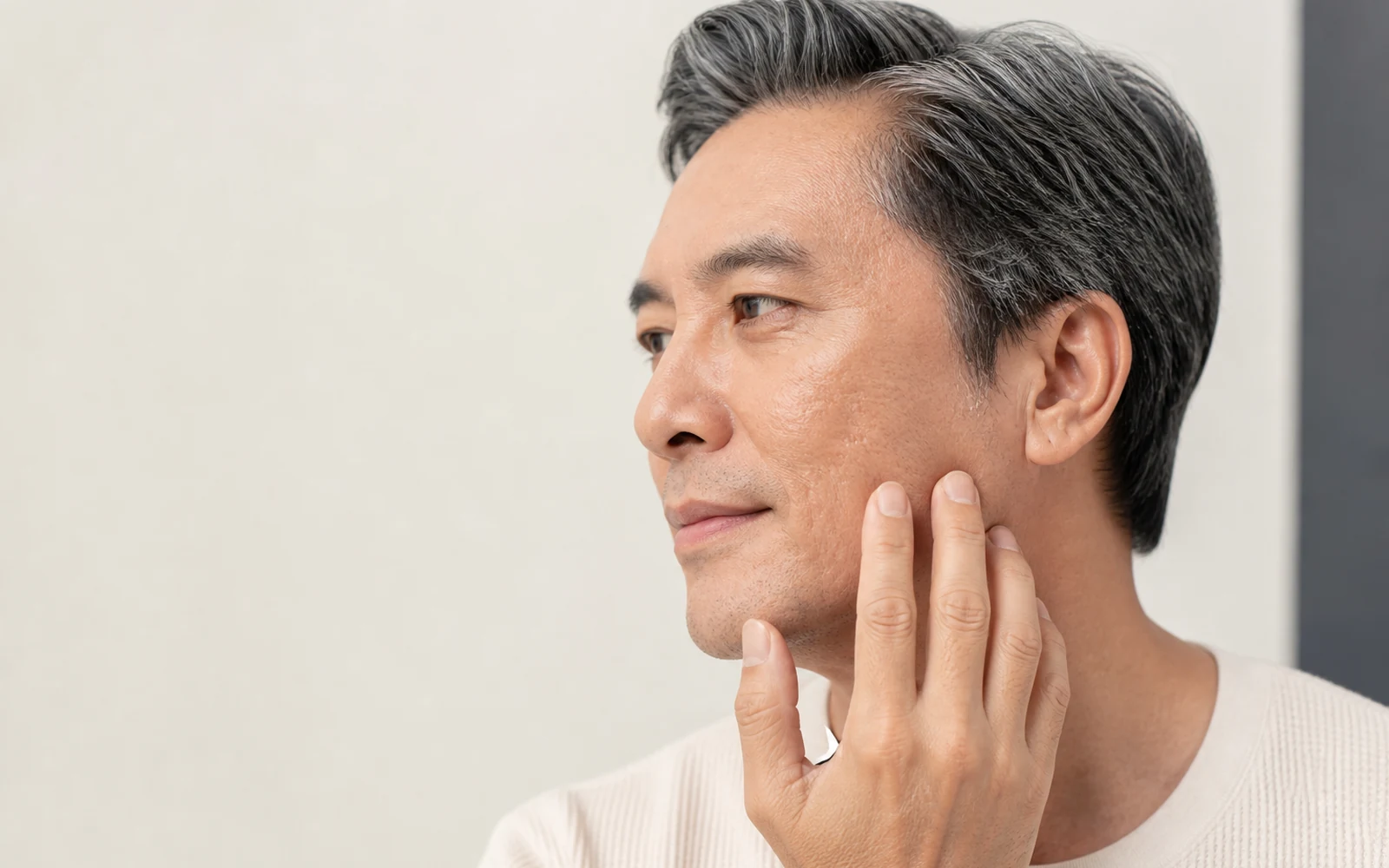
It uses selected creams, gels, lotions or washes to reduce follicular blockage, inflammation and acne-related bacterial activity.
It uses selected creams, gels, lotions or washes to reduce follicular blockage, inflammation and acne-related bacterial activity.
01 / How it works
Topical acne treatment involves applying medicines directly to the skin to target the processes within the pilosebaceous unit that cause acne. Different active ingredients serve different purposes. For instance, topical retinoids (such as adapalene or tretinoin) help normalise follicular keratinisation, treat existing comedones, and prevent new microcomedones from forming. In contrast, benzoyl peroxide targets Cutibacterium acnes bacterial activity and reduces inflammatory lesions.
When managing inflammatory acne, we may also consider azelaic acid or a fixed-combination product that pairs a topical antibiotic with benzoyl peroxide. It is a strict antibiotic-stewardship principle that topical antibiotics should not be used alone to avoid antibiotic resistance. We also clarify the difference between medical retinoids and cosmetic retinol, and ensure that treatments like salicylic acid are used to complement rather than complicate your routine.
It uses selected creams, gels, lotions or washes to reduce follicular blockage, inflammation and acne-related bacterial activity.
Share the concern, treatment area and change you would like to explore
Shape the approach around your features, preferences and schedule
Experience a carefully planned session with clear guidance throughout
Follow simple aftercare and review how the treatment is progressing
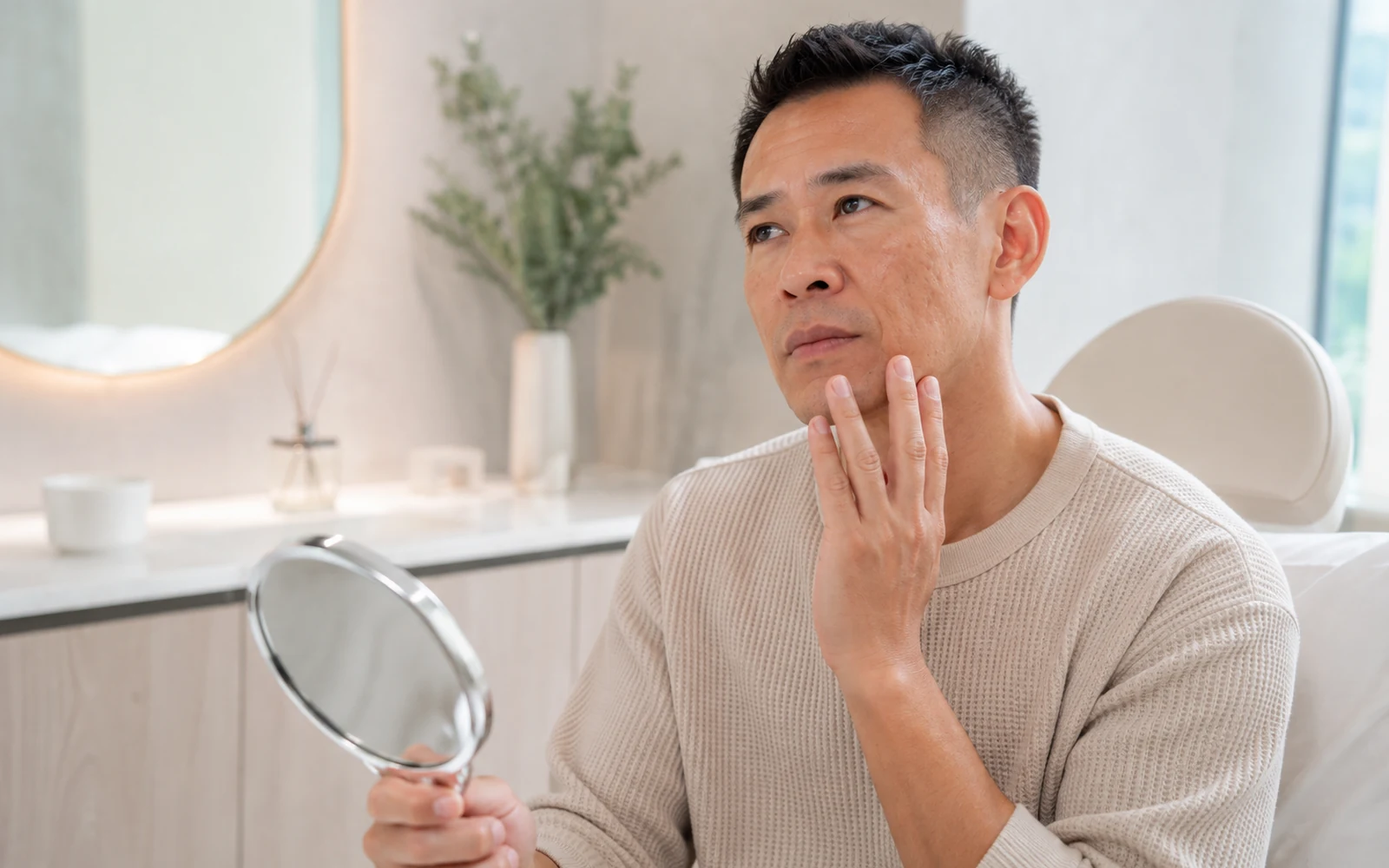
02 / Visual guide
It uses selected creams, gels, lotions or washes to reduce follicular blockage, inflammation and acne-related bacterial activity.
Interactive treatment map
Tap a numbered point to move from your concern to the treatment approach, how it works and a personalised plan.
Start with the change you have noticed and the result you would like to explore.
Concerns & areas
Explore common areas and goals, then discuss which are most relevant to you.
Learn how this area can be approached within a personalised treatment plan.
Who may benefit
An acne-like rash should be diagnosed before several active products are added. Rosacea, perioral dermatitis, or folliculitis can mimic acne but require completely different management. We verify your diagnosis before prescribing.
Pregnancy Restrictions: Current Malaysian safety information explicitly states that topical retinoids are contraindicated during pregnancy and for women planning pregnancy. If you are pregnant or planning to conceive, we must adjust your treatment plan. Every active ingredient requires a separate, product-specific review during breastfeeding.
What to discuss first
03 / Your treatment journey
A calm, well-explained experience at every stage.
Talk through the concern, your previous experiences and the result you would like to explore.
Review the treatment area, suitable options, expected experience and practical timing.
Arrive prepared and receive clear guidance throughout the treatment visit.
Leave with simple aftercare, helpful contact details and a plan for review.
No. Current Malaysian safety information contraindicates topical retinoids during pregnancy and while planning pregnancy.
04 / Practical expectations
Your experience will reflect the selected treatment, treatment area and individual response. These are the useful details to explore during your visit.
05 / Compare your options
Compare the treatment approach, the area it is designed for, the experience and the way results may develop—not only the name or price.
A useful starting point when you already know the treatment and want to understand it more clearly.
Opens a wider conversation about suitable approaches, timing, recovery and natural-looking results.
Treatment gallery
Explore the consultation, treatment setting and preparation through a carefully selected visual story.
Related concerns
Begin with the concern you notice, then discover treatment approaches and questions worth bringing to your consultation.
Patient knowledge guide
Four short questions explain the treatment, suitability and why assessment matters. This quiz educates—it does not diagnose or confirm treatment eligibility.
06 / Before you decide
Each treatment has its own considerations. Your consultation is the place to discuss expected benefits, possible side effects, alternatives and anything that may affect timing.
Read about informed consent07 / Recovery
You will receive treatment-specific guidance on what to expect, how to care for the area and when to contact the clinic with a question.
Contact the clinic08 / FAQ
Helpful answers for planning your consultation and understanding the treatment experience.
Topical acne treatment involves applying medicines directly to the skin to target the processes within the pilosebaceous unit that cause acne. Different active ingredients serve different purposes. For instance, topical retinoids (such as adapalene or tretinoin) help normalise follicular keratinisation, treat existing comedones, and prevent new microcomedones from forming. In contrast, benzoyl peroxide targets Cutibacterium acnes bacterial activity and reduces inflammatory lesions.
Topical acne treatment controls active acne gradually. It is not an overnight cure, and it does not permanently remove established structural scars (like ice-pick or rolling scars), nor does it permanently close pores. Post-inflammatory hyperpigmentation (dark marks) may also fade at a different rate than the acne itself.
It uses selected creams, gels, lotions or washes to reduce follicular blockage, inflammation and acne-related bacterial activity.
They reduce microcomedones, help clear blackheads and whiteheads and may help prevent new acne lesions.
No. Current Malaysian safety information contraindicates topical retinoids during pregnancy and while planning pregnancy.
Generally no. They are usually combined with benzoyl peroxide or another suitable non-antibiotic treatment to reduce resistance concerns.
Related treatments
Plan your next step
Share your goals with the Eco Botanic team and begin with a personalised consultation.