Category, brand and model are different levels of detail.
Words such as laser, radiofrequency, HIFU, skin booster or filler describe broad categories. Devices within a category may use different energy, applicators, depths, cooling and settings. Products may contain different ingredients or concentrations. Ask for the exact identity relevant to your appointment.
This website preserves verified service names but does not infer a device model from a photograph or a product formula from a marketing title. A page can explain a category while still stating that current inventory, local status and suitability must be confirmed.
When an option is substituted, treat it as a separate discussion. A similar shape or purpose does not prove equivalence. The clinician should explain why the alternative is relevant and whether evidence, risks, expected course or aftercare differ.


Ask what outcome was actually studied.
Evidence should match the named product or device, treatment area, patient group and outcome. A general paper about an ingredient or energy type may not support every use advertised under the same category. Ask which part of the evidence applies to the proposed plan.
A regulatory listing, when relevant, does not guarantee that a treatment is suitable or that a result will occur. It also does not establish the operator’s training, the settings chosen or the quality of follow-up. These are separate questions.
Images and animations can teach a mechanism, but they can oversimplify tissue response. A diagram does not establish device output, scan data or proof of clinical effect.
Technology depends on people, protocols and records.
Ask who will assess you, who will operate the device or administer the product and what current qualifications or scope apply. The same machine can produce different experiences depending on patient selection, settings, technique and monitoring.
For devices, ask how maintenance, calibration, handpiece identity and consumables are managed when those factors are relevant. For products, ask about source, storage, batch and expiry. Patients do not need to perform an audit themselves, but the clinic should be able to explain its verification process.
Document the actual item used. If you later seek care elsewhere, a record with the product or device name, date, area and relevant settings or dose can be more useful than a receipt containing only a package title.


Connect the technology to your own concern.
Return to the original question: what change are you hoping to understand, and why is this technology relevant? Ask what it cannot change. A device chosen because it is new or popular may not match the underlying concern.
Compare alternatives, including less intensive care and no procedure. Review common effects, serious risks, downtime, number of visits, cost and the point at which the plan will be reassessed. If several technologies are proposed, ask whether each has a distinct role.
Current availability should be confirmed directly with Eco Botanic. This page does not claim that any particular product, consumable or device model is in stock, registered for the proposed use or operated by a named clinician.
Questions change with the situation.
A patient comparing two lasers may see the same broad promise on both pages. Useful comparison requires more: wavelength or energy type, intended tissue, treatment area, settings, cooling, operator and evidence for the stated outcome. Without those details, the names may conceal important differences.
Injectable products create a similar problem. Hyaluronic acid fillers, skin boosters, collagen stimulators and polynucleotide products are not one family with interchangeable claims. Ask for the exact formulation and purpose. Brand extensions and regional presentations should not be inferred from packaging alone.
For implants or surgical tools, material, dimensions, facility and responsible surgeon become relevant. Ask about the actual implant, incision, operating environment and responsible surgeon for the proposed plan.
Maintenance claims should be practical and current. The patient does not need to read every service log, but can ask how the clinic ensures that equipment, consumables and accessories are appropriate for use. If a disposable tip or cartridge matters, its identity belongs in the verification process.
Technology can support precision, but it does not replace diagnosis, consent or follow-up. A newer platform may offer different capabilities without being better for every person. The relevant question is whether the exact tool and protocol fit the individual concern with an acceptable balance of benefit, burden and risk.
This standard also shapes website updates. New technology pages should use official references for real products, avoid fabricated package art, preserve reasonable scale and state when model, stock, registration or local availability is not verified. Accuracy is part of design quality.
For photographs of real packaging or devices, the source should be preserved in the editorial record. Cropping or resizing should not alter the identity, label or physical scale in a misleading way. A model holding an oversized box may create an inaccurate impression even when the brand colours are correct.
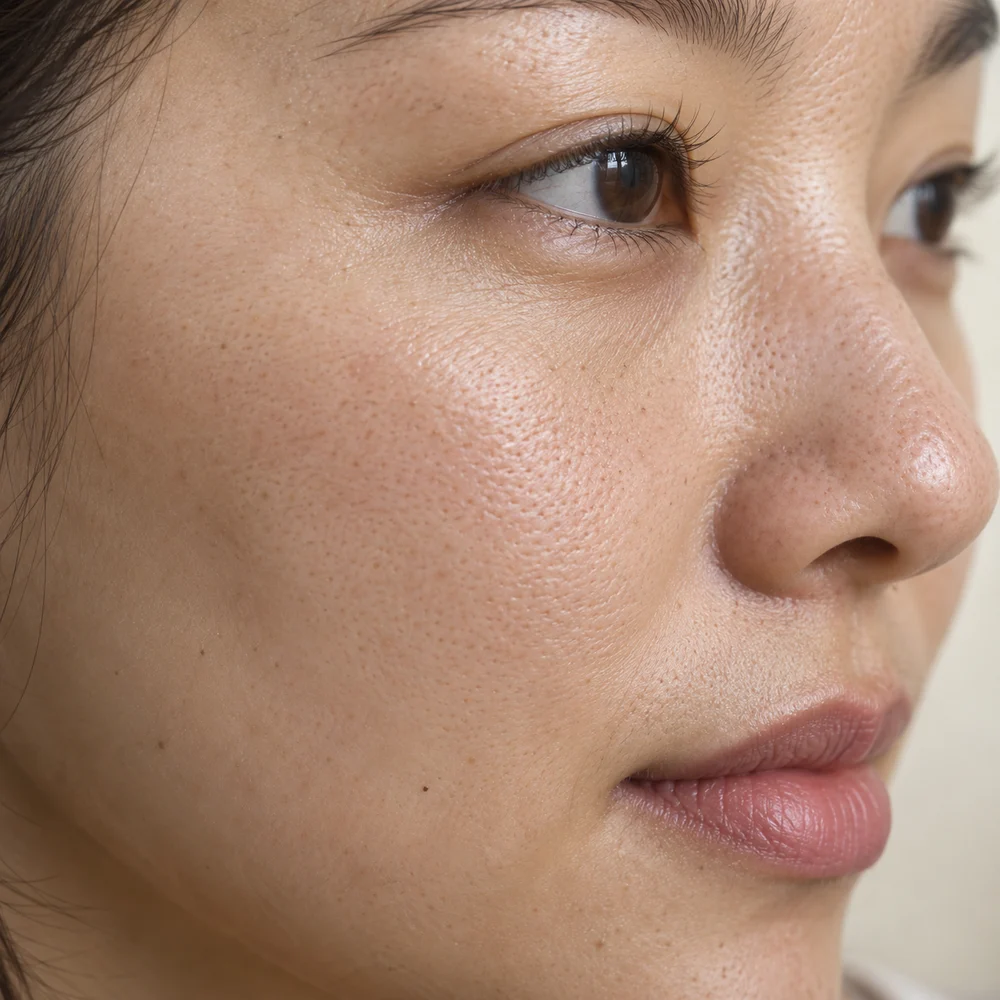
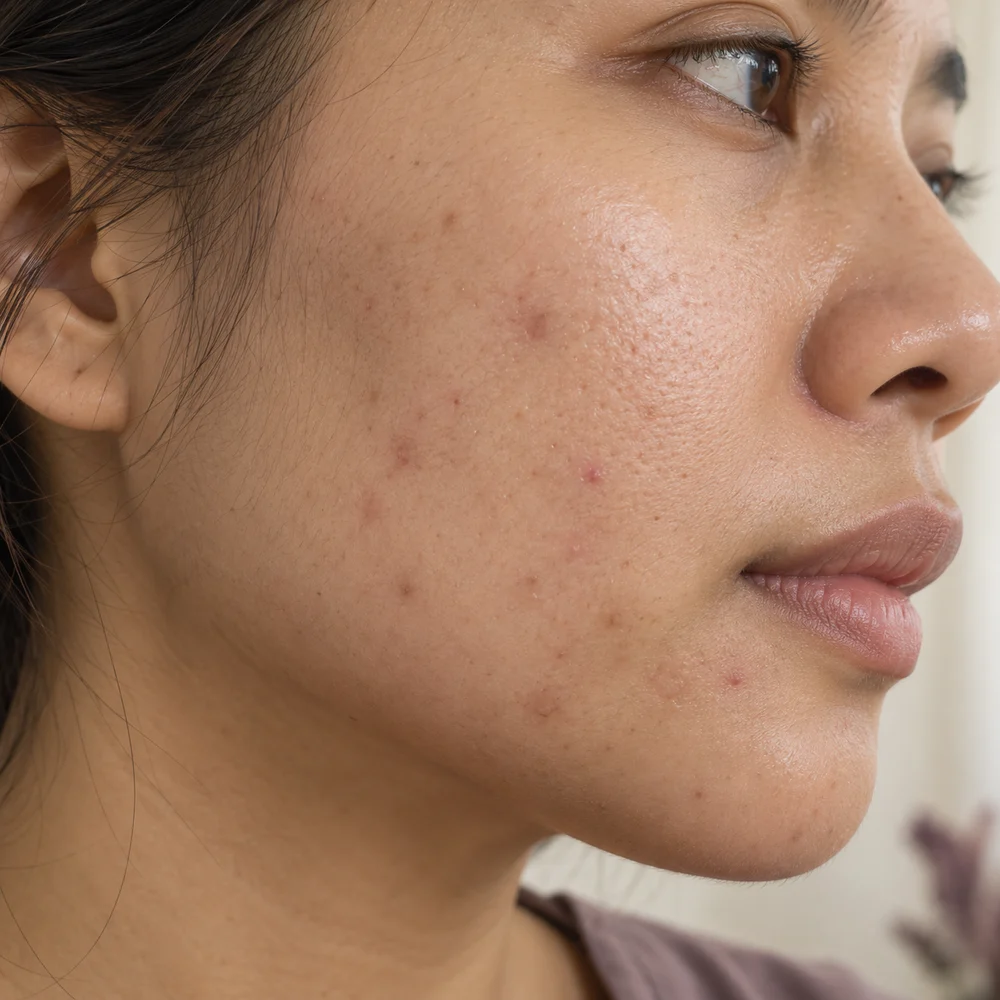
For visual examples, focus on the question they help explain. A picture cannot verify a proprietary system, clinical setting or measurement; ask the team for the exact current information before deciding.
For comparisons, keep the conditions matched and label simulations. Technology education is especially vulnerable to dramatic light, texture or contour changes that look like clinical proof. A subtle, clearly described teaching view is more responsible than a spectacular transformation with no patient record.
Before updating the directory, confirm that the route name matches the clinic’s intended service identity. Synonyms can create duplicate pages and confuse both readers and search systems. A single, accurate route with clear distinctions is preferable to several thin pages built around nearly identical keywords.
For a device discussion, write down the exact model and the clinical purpose before comparing advertisements. Ask how settings are chosen for your skin or condition, what protective steps are used, who operates it, and what written record you receive. A newer model name does not answer those practical questions.
This Aesthetic technology and product verification guide reflects information checked for the Eco Botanic branch on 23 September 2026. Contact details, opening arrangements, staff, services, products and technology can change. Confirm operational facts directly for the intended appointment date. Educational explanations describe decision principles rather than issuing a diagnosis, prescription or guarantee, and an urgent problem should be assessed through appropriate local medical care instead of waiting for a website update or routine clinic message.
Your questions, explained.
Does a device category identify the exact machine?
No. Laser, RF and HIFU are broad categories. Ask for the manufacturer, model and applicator relevant to the plan.
Does this website prove Eco Botanic owns every pictured device?
No. Confirm the exact device and current availability with the clinic.
What should I ask about a product?
Ask for the exact name, ingredients or formulation where relevant, source, batch, expiry, storage and why it is proposed.
Does registration guarantee a result?
No. Registration and suitability are different, and no listing guarantees an individual outcome.
Why do settings matter?
Energy, depth, dose and treatment area can affect response and risk. They are individual clinical decisions.
Should the operator be identified?
Yes. Ask who assesses and performs the procedure and how to verify current registration and relevant scope.
Can a similar product be substituted automatically?
No. A substitution can change evidence, ingredients, units, handling, risks and follow-up. Ask for a fresh explanation.
What record should I keep?
Keep the date, area, exact product or device, and relevant treatment and aftercare details supplied by the clinic.
Patient information and planning.
Book a consultation.
Bring your questions.
Discuss Aesthetic technology and product verification, your priorities and follow-up arrangements with our team before planning your visit.
Book via WhatsAppAn enquiry starts the conversation. Your appointment is confirmed by the clinic.
Add a question to your enquiry
Daily 10:00–18:00 · By appointment
Find us in Iskandar Puteri
2C-27, Jalan Eko Botani, Persiaran Eko Botani 2, 79100 Iskandar Puteri, Johor, Malaysia.
Open directions in Google Maps ↗