


Look at distribution.
A widened part, temple recession and a patch need not share a cause. The examination should interpret the pattern rather than use a photograph to sell the same treatment to everyone.

Hair loss is a concern with several possible causes, not one diagnosis. A widening part, sudden shower shedding, a receding hairline and a smooth patch can represent different processes. The purpose of consultation is to understand the pattern and choose an appropriate next step.
Hair loss is a concern with several possible causes, not one diagnosis. A widening part, sudden shower shedding, a receding hairline and a smooth patch can represent different processes. The purpose of consultation is to understand the pattern and choose an appropriate next step.
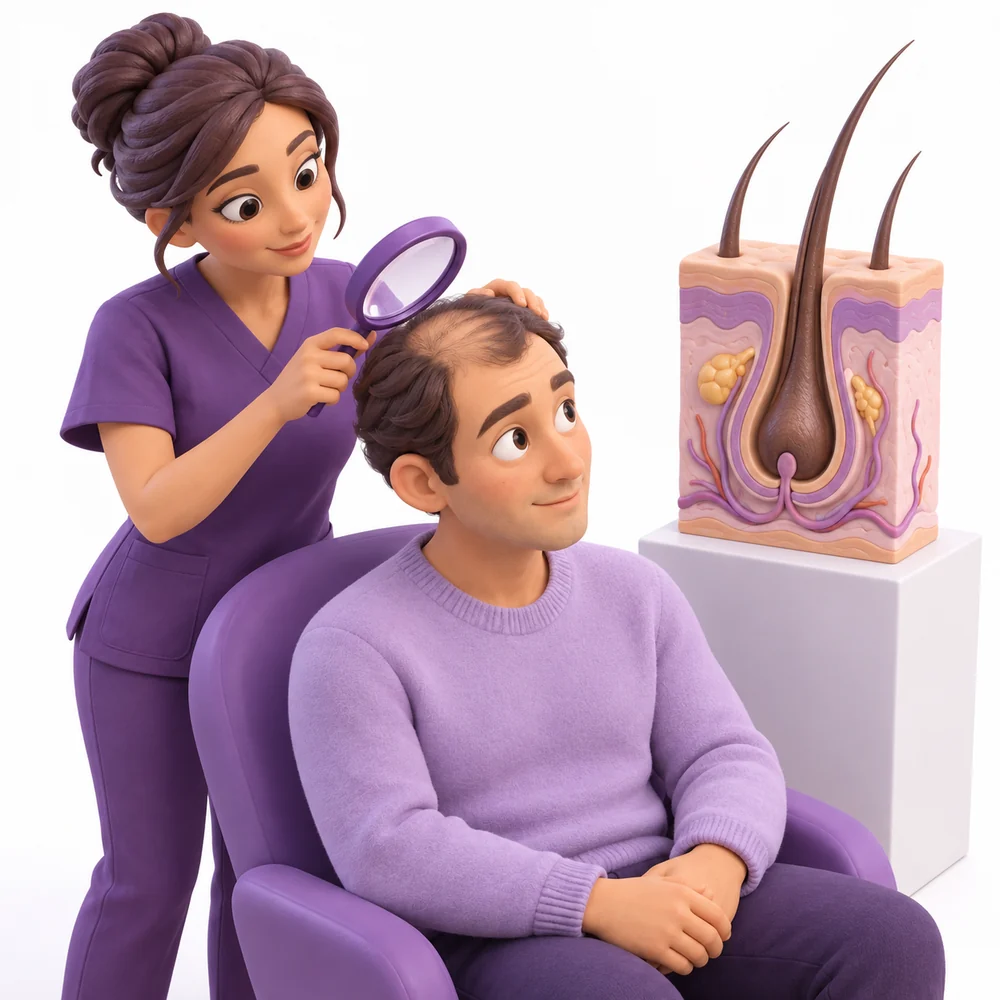
Hair grows in cycles, and changes in shedding do not always mean permanent follicle loss. Other problems involve gradual miniaturisation, breakage, inflammation or scarring. The examination and history help distinguish these possibilities; a general photograph or online quiz cannot do that reliably.
Seek assessment when loss is persistent, distressing, patchy or changing quickly, especially with scalp pain, redness, scale or pustules. Someone who is unsure whether the change is normal can also discuss it. An early assessment does not commit you to a procedure or package.
The starting choice is not PRP versus PDRN. It is diagnosis-led management, which may involve observation, scalp care, medicine, investigations or referral. A cosmetic procedure should have a clear role within that plan instead of being used for every form of visible thinning.
Further reading: American Academy of Dermatology: hair loss diagnosis and treatment; American Academy of Dermatology: causes of hair loss; American Academy of Dermatology hair-loss resource centre. These sources explain the treatment category or manufacturer identity; the proposed local product, device and individual plan still need confirmation.


Finding the cause of shedding, thinning or patchy loss before choosing treatment
Agree the feature to review and what is unlikely to change.
Discuss history, anatomy, comfort and personal priorities.
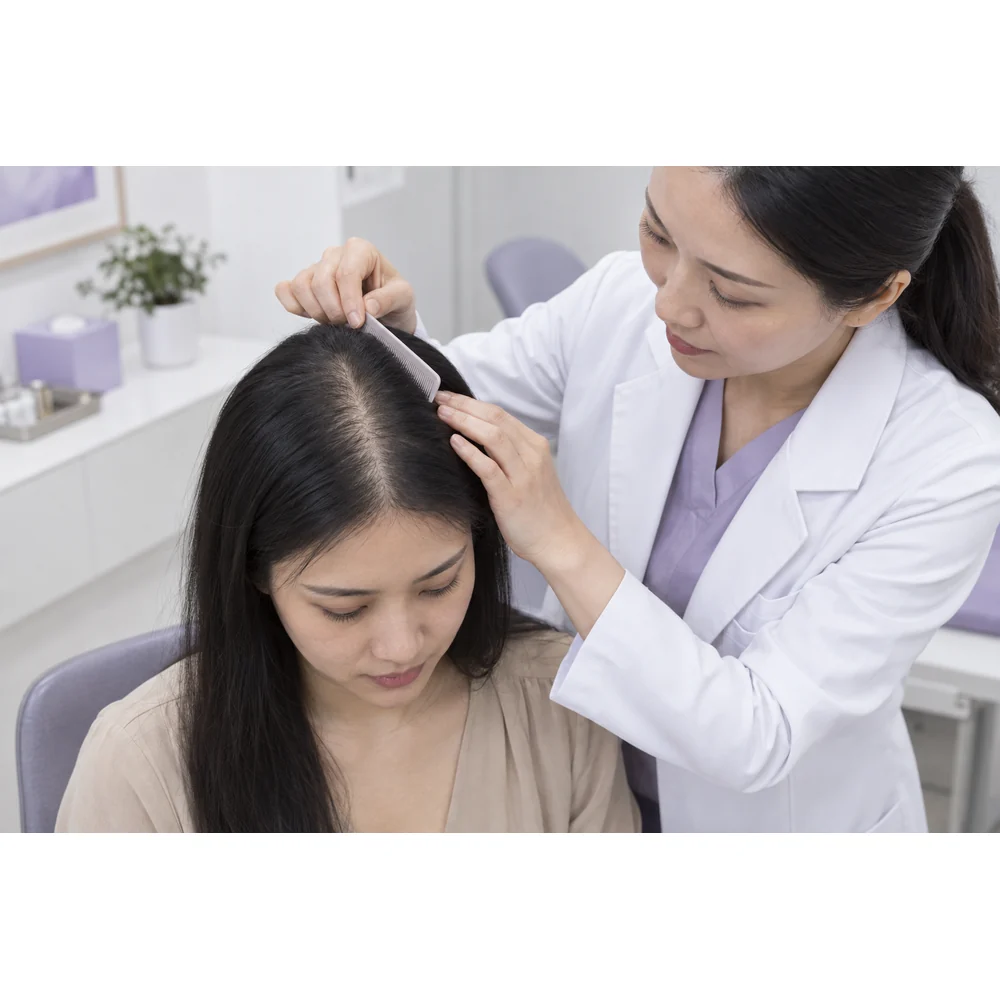
Prepare a timeline including illnesses, childbirth when relevant, weight change, restrictive eating, stressors, medicines and hair practices. Bring previous test results and treatment details. Tests should follow the history and examination rather than being sold as an identical panel for everyone.
Try to describe when you first noticed the change and whether it appeared in one area or across the scalp. A short timeline can be more informative than counting every hair. Bring older photographs if they show the same parting or hairline clearly.
Tell the clinician about symptoms even if they seem unrelated to appearance. Itch, soreness, scale and pustules may change the assessment. Explain hair practices such as tight styling or frequent chemical treatment without assuming they are the only possible cause.
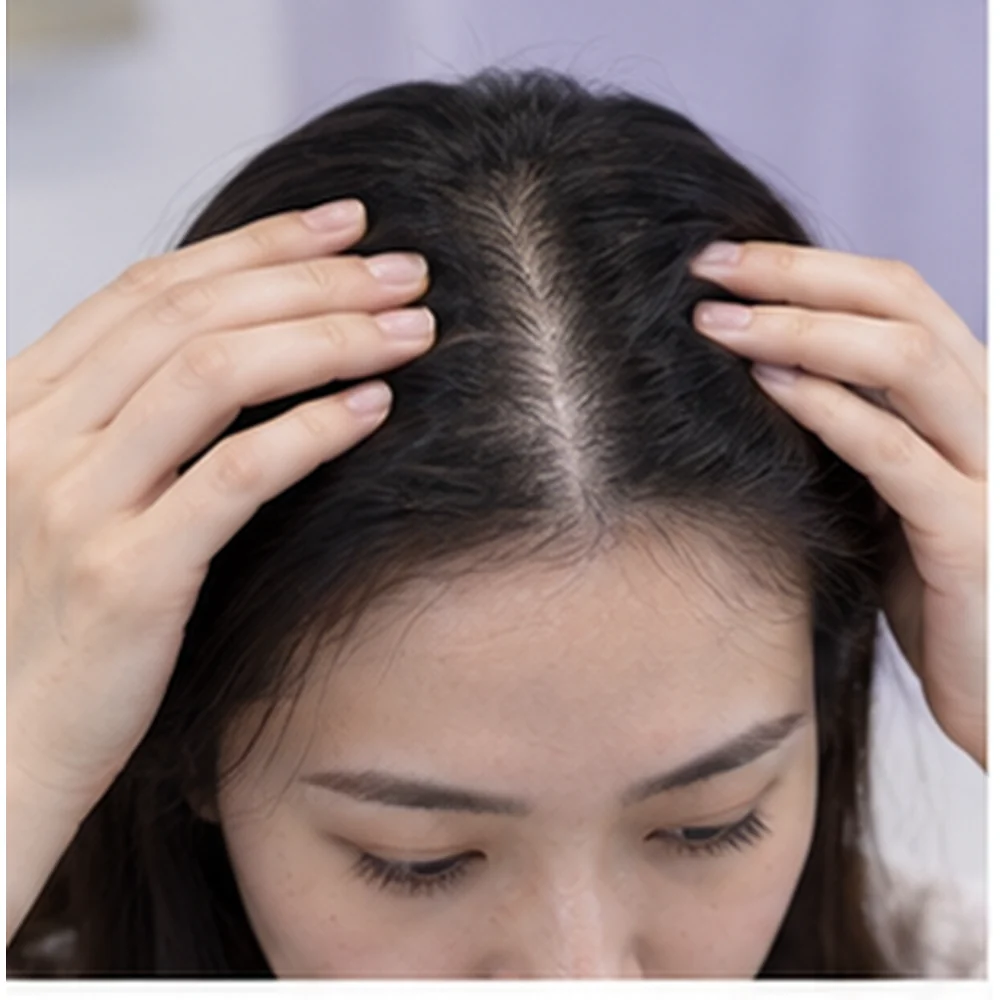
A central part is one way to document distribution over time.
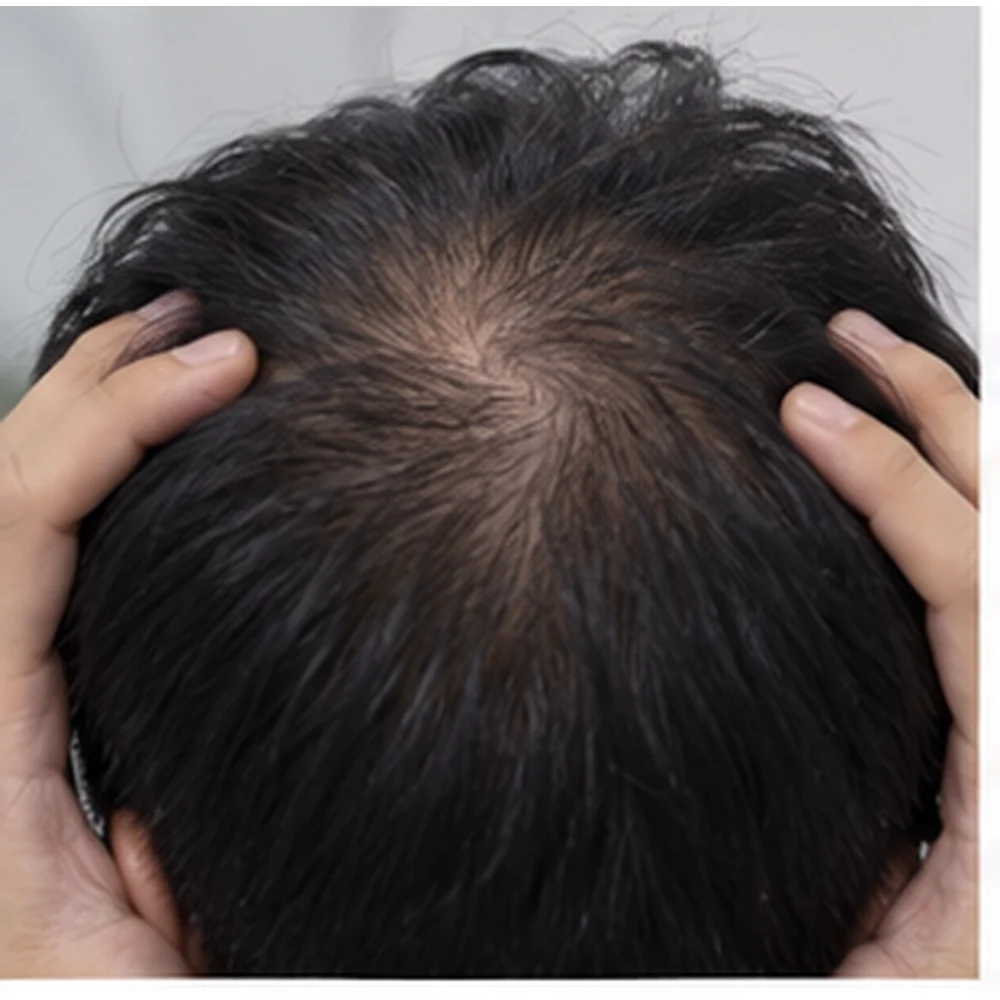
Match lighting and hair positioning when comparing the crown.
History and examination help interpret a changing frontal or temporal hairline.

A widened part, temple recession and a patch need not share a cause. The examination should interpret the pattern rather than use a photograph to sell the same treatment to everyone.
Health events, medication changes and changes in eating or routine can be useful history. They do not prove a cause on their own, but they help the clinician ask better questions.
The outcome may be observation, treatment, investigation or referral. Choosing not to have a procedure can be a sensible result of a useful consultation.
These matched reference views demonstrate consistent observation and consultation priorities. They do not depict treatment results.
The first matched view identifies the feature to discuss. It is not a diagnosis and is not a photograph of a Medi patient.
An online guide cannot diagnose the cause of hair loss, guarantee regrowth or identify a universally best injection or supplement.

 BeforeAfter
The divider compares matched reference views, not a record of a procedure. It should not be read as evidence of a clinical result.
Use simple repeatable observations: the same parting, crown view and hairline view under similar lighting. Note symptoms and treatment adherence as well as appearance. Daily counting or repeated mirror checks can become stressful and may not give a useful measure of longer-term change.
Real follow-up needs the actual diagnosis, treatment record, timing and comparable observations. A change in pose, styling or lighting can mislead.
Ask what the working diagnosis is and what remains uncertain. If tests are proposed, ask which question each test is intended to answer. A clear explanation is more useful than a long list of treatments without a reason for choosing between them.
Discuss the practical demands of any care plan. Some treatments require ongoing use and regular review, while others may not fit your circumstances. Mention earlier side effects and ask how success, tolerability and the need to change course will be judged.
When planning a visit from Singapore, confirm the scope of the hair-loss appointment in Eco Botanic. Keep previous records available and ask whether an in-person examination is needed before any procedure discussion. Follow-up should support diagnosis-led care across visits.
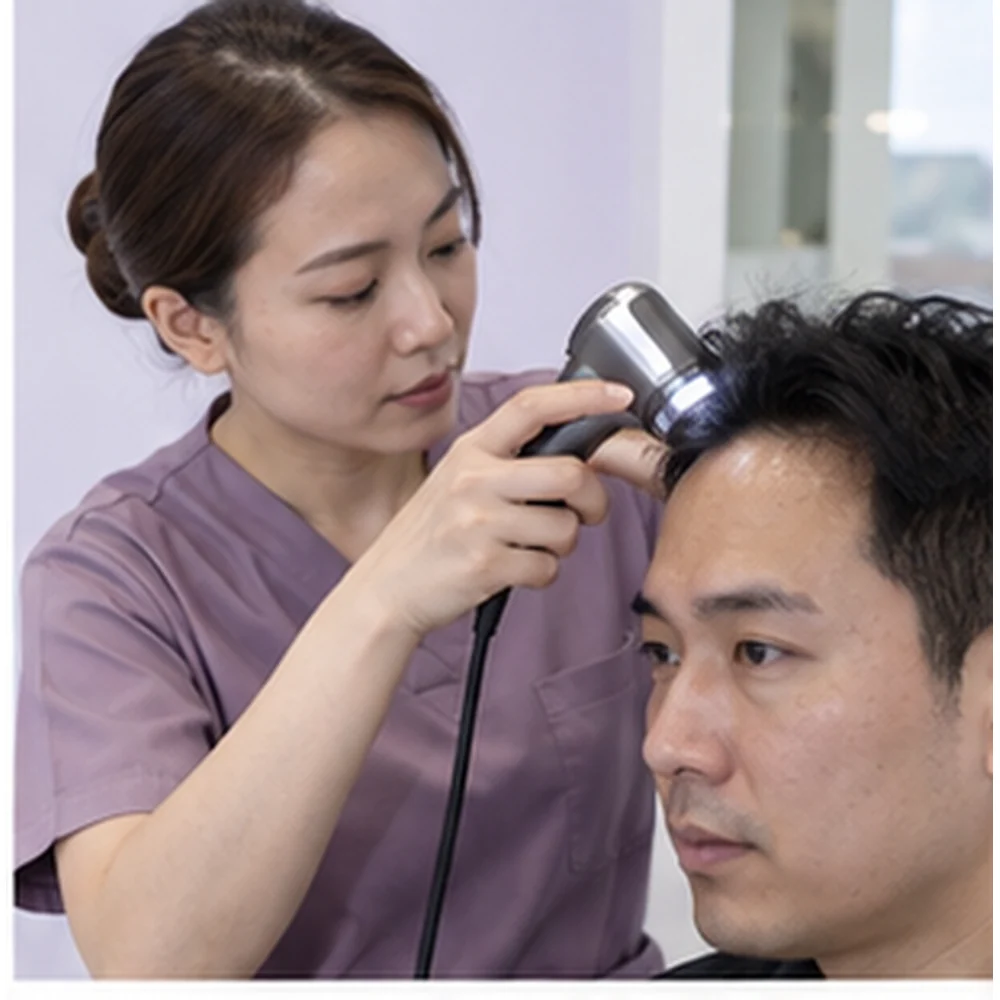
Hair loss can affect confidence, and distress deserves acknowledgement without creating pressure to buy a procedure. A respectful consultation allows questions, uncertainty and time to decide. The size of a treatment package is not a measure of how seriously the concern is being taken.
Standardised photographs are useful only when interpreted in context. Record hair condition, styling and concurrent treatments. A change in apparent coverage may reflect several factors, and one flattering image cannot establish regrowth.
Ask when to return if the pattern changes or scalp symptoms develop. An existing diagnosis or plan may need reassessment. Do not assume every future episode of shedding has the same cause as an earlier one.
These guides answer different questions. Select an option to read its purpose, limitations and a question to bring to the consultation. A related page is not a recommendation to combine procedures.
A combination is not automatically better. Ask what each proposed procedure would contribute and whether the same goal could be approached more simply. Taking time to decide remains a useful outcome.
Select an option. See its purpose, possible benefit and the distinction that matters.
Finding the cause of shedding, thinning or patchy loss before choosing treatmentHair grows in cycles, and changes in shedding do not always mean permanent follicle loss. Other problems involve gradual miniaturisation, breakage, inflammation or scarring. The examination and history help distinguish these possibilities; a general photograph or online quiz cannot do that reliably.
Finding the cause of shedding, thinning or patchy loss before choosing treatment
An online guide cannot diagnose the cause of hair loss, guarantee regrowth or identify a universally best injection or supplement.
Which part of my concern would Hair Loss address?
 Considering platelet-rich plasma after identifying the cause of thinning
PRP is studied for its platelet-associated biological signals in selected hair-loss settings. Preparation methods and treatment schedules differ across studies. An encouraging result from one protocol cannot establish that every preparation, concentration or injection plan has the same effect.
Considering platelet-rich plasma after identifying the cause of thinning
PRP does not guarantee regrowth, restore every bald area or replace assessment of a potentially inflammatory or scarring scalp condition.
Which part of my concern would PRP Scalp Hair Treatment address?
 Examining product identity and limited hair-loss evidence before scalp injections
PDRN has been investigated in tissue-repair and selected hair-loss contexts. Biological explanations are not the same as a proven clinical benefit for every scalp condition. Material source, formulation and route matter, so a general repair claim should not be turned into a promise to reactivate all follicles.
Examining product identity and limited hair-loss evidence before scalp injections
The available research does not justify guaranteed regrowth, equivalence across PDRN and PN products, or replacement of established diagnosis-led care.
Which part of my concern would PDRN Scalp Hair Treatment address?
 Hair-loss cause and scalp-product identity
A more visible parting can reflect changes in hair density, while a receding temple may raise another pattern question. Scalp redness, flaking or a sudden patch of loss adds information that a product photograph cannot provide. Start by showing the pattern and describing its timeline.
Hair-loss cause and scalp-product identity
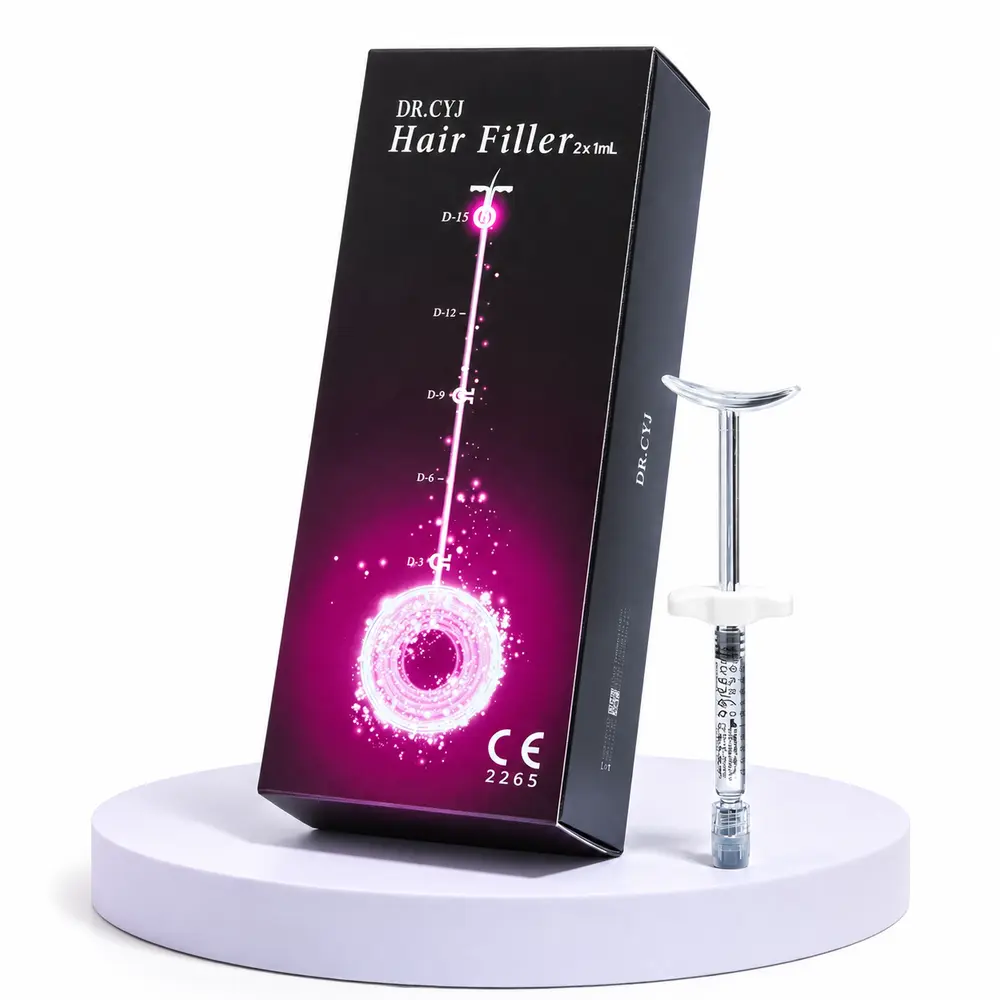
DR.CYJ Hair Filler is not a hair transplant and does not guarantee restoration of every thinning area.
Which part of my concern would DR.CYJ Hair Filler address?
Use these five points to compare a consultation at Eco Botanic with any other clinic you are considering.
| What matters | Ask Medi Clinic Eco Botanic | Check with any clinic |
|---|---|---|
| 01Practitioner | Ask our team for the treating doctor’s name and credentials. | Check the named doctor’s current registration and relevant LCP scope. |
| 02Individual assessment | Discuss your skin, facial anatomy, history and priorities. | Look for an explanation of suitability, alternatives and what will remain unchanged. |
| 03Product & treatment plan | Confirm the proposed product, treatment scope and traceability. | Compare the actual brand and plan, not a generic treatment label. |
| 04Price & consent | Request an itemised explanation before deciding. | Check what the quote includes, possible risks and whether there is time for questions. |
| 05Review & continuity | Discuss review arrangements, including after returning to Singapore. | Confirm who handles concerns, how to contact them and any review costs. |
Bring your questions, previous treatment details and relevant medical history. Tell the clinic if your return journey has a fixed time.
Discuss the proposed method, intended change, alternatives, consent and full cost before deciding whether to proceed.
Follow the treating clinician’s advice. Keep the treatment record and clinic contact accessible while travelling.
Use the agreed review arrangements. Report unexpected symptoms promptly rather than waiting for another trip to Malaysia.
Avoid starting multiple new products at once before the cause is understood. Report irritation or reactions, and discuss any prescribed treatment rather than stopping it independently. A painful or inflamed scalp, spreading patch or rapidly worsening loss deserves review rather than a wait-and-see cosmetic package.
For a Singapore visit to Eco Botanic, a clear history and earlier photographs can make the first discussion more useful. Ask whether the visit is for diagnosis, treatment planning or a procedure. Agree which follow-ups can be remote and which need direct scalp examination.
For Hair Loss enquiries in the Johor Bahru area, confirm the Eco Botanic branch in Iskandar Puteri. It is a different location from Taman Molek. Ask for the appointment time and map location together so the travel plan matches the booking.
Allow flexibility for border conditions and a proper consultation. This guide does not promise a fixed journey time. If you need to return to Singapore by a particular time, explain that before the appointment. An assessment may lead to further advice or a decision to postpone treatment.
Discuss follow-up before crossing the border. Ask when progress should be reviewed, whether a return visit may be needed and how to contact the treating team. A message can help explain a concern, but it cannot replace an examination when one is needed.
Request an itemised quote in the currency being used, including what consultation and review arrangements cover. Keep the clinic contact and written instructions with you. If an urgent problem occurs after returning to Singapore, seek care where you are rather than delaying care for travel.
Confirm the branch, appointment, care plan and review arrangements with our team.
A central part is one way to document distribution over time.
Match lighting and hair positioning when comparing the crown.
History and examination help interpret a changing frontal or temporal hairline.
Timing and recent events are particularly useful when shedding begins abruptly.
Select the concern you want to explore. Read its description here, then find related services at the end of this guide.
A central part is one way to document distribution over time.
Five questions to help you understand Hair Loss before your consultation.

No. Shedding, breakage and progressive thinning can have different explanations. The pattern, timing and scalp examination matter. A clinician can help distinguish them rather than assuming every loose hair means a permanent loss.
Bring a timeline, medication and supplement list, previous treatment records and any relevant tests. Older unfiltered photographs can help establish when the pattern changed. Mention scalp symptoms and recent changes in health or eating.
Rapid change, patchy loss or symptoms such as pain, redness, scale and pustules merit medical attention. These features should not be managed only by selecting a cosmetic package. Seek urgent care if you are acutely unwell.
Possibly, depending on the history and examination. The purpose is to answer a specific clinical question. A universal test panel is not necessary for every person, and results need interpretation alongside the scalp findings.
Do not assume that more supplements mean better hair. Discuss diet, possible deficiencies, medicines and ingredients before taking products. A supplement cannot substitute for diagnosing inflammatory, scarring or other causes of loss.
No. A useful first visit may involve explanation, observation, medicine, investigation or referral. Any procedure should have a defined role after assessment. You should understand alternatives and the option not to proceed.
Contact the branch to confirm the appointment scope and clinician availability. Bring your history and prior records, and agree how reviews will be arranged after returning to Singapore. An enquiry is not confirmation of a specific procedure.
Keep the same scalp part, camera distance, lighting and hair condition. Record symptoms and treatments too. Concealing fibres, different styling or wet-versus-dry hair can change apparent coverage without proving an improvement.

Read the purpose, suitability questions and limitations before choosing a procedure.
View details
Read the purpose, suitability questions and limitations before choosing a procedure.
View detailsRead the purpose, suitability questions and limitations before choosing a procedure.
View details
Read the purpose, suitability questions and limitations before choosing a procedure.
View detailsDiscuss Hair Loss in Johor Bahru (JB), your priorities and follow-up arrangements with our team before planning your visit.
Book via WhatsAppAn enquiry starts the conversation. Your appointment is confirmed by the clinic.
Daily 10:00–18:00 · By appointment
2C-27, Jalan Eko Botani, Persiaran Eko Botani 2, 79100 Iskandar Puteri, Johor, Malaysia.
Open directions in Google Maps ↗