


Surface or needle-based RF?
A category name can conceal a major procedural difference. Confirm how energy reaches tissue before comparing appointment length, price, downtime or photographs.

Radiofrequency Therapy is a broad category of treatments using electrical energy to create tissue heating. A useful plan identifies the device and applicator, whether needles enter the skin and the intended treatment area. One brand's instructions do not apply to the whole category.
Radiofrequency Therapy is a broad category of treatments using electrical energy to create tissue heating. A useful plan identifies the device and applicator, whether needles enter the skin and the intended treatment area. One brand's instructions do not apply to the whole category.
The way RF energy is delivered matters. A surface handpiece and an array of microneedle electrodes do not expose tissue in the same way. The treatment goal, depth and safety controls must therefore be discussed for the particular system rather than inferred from the initials RF.
Adults concerned about selected texture or laxity may explore RF after the device is identified and the skin assessed. Disclose implanted electronic devices, earlier procedures and relevant health conditions. Suitability should follow the actual instructions rather than a generic all-skin-types promise.
RF is not ultrasound, laser or a thread lift. RF microneedling is also not equivalent to a needle-free surface treatment. A risk notice for RF microneedling should be explained in that specific context rather than concealed or applied indiscriminately to every RF device.
Further reading: FDA: RF microneedling safety notice; Thermage official; FDA: microneedling devices. These sources explain the treatment category or manufacturer identity; the proposed local product, device and individual plan still need confirmation.


Separating surface RF, RF microneedling and device-specific treatment claims
Agree the feature to review and what is unlikely to change.
Discuss history, anatomy, comfort and personal priorities.

Ask for the exact brand and model, needle or non-needle applicator, proposed area and clinician training. For an eye-area plan, ask about the approved applicator and required eye protection. A body or face handpiece should not be assumed suitable for the eyelid.
First establish whether the proposal uses electrodes on the surface or needles that deliver radiofrequency within tissue. These are different procedures with different recovery and risk discussions, even when both are described as RF.
Ask for the device model, applicator and exact body area. An applicator intended for one region should not be assumed suitable for an eyelid or another delicate area. Any eye-protection requirements must follow the device instructions.
Fine lines should be assessed in relation to the specific RF method.
The amount and location of looseness shape realistic expectations.
Texture alone does not identify whether a needle-based treatment is needed.

A category name can conceal a major procedural difference. Confirm how energy reaches tissue before comparing appointment length, price, downtime or photographs.
Different systems use different delivery designs and treatment instructions. A manufacturer example explains a category; it does not verify that the clinic owns that model.
The FDA's October 2025 communication concerns reported complications with certain RF microneedling uses. It should inform that discussion without being misrepresented as a ban on all radiofrequency treatments.
Switch between these matched educational views. A single selected feature changes while the identity, lighting and expression are kept consistent.
Fine lines should be assessed in relation to the specific RF method. The amount and location of looseness shape realistic expectations. The first view is an reference view of features to discuss, not a diagnosis.
RF cannot guarantee no burns, no unwanted tissue change, no downtime or a facelift-level result; risks and suitable areas differ between devices.

 BeforeAfter
The divider reveals two versions of the same matched adult. Compare the feature described here rather than treating the second panel as a target face. Neither panel records a treatment at Medi.
Review the intended texture or laxity target with a record of the exact system used. Do not assume that a stronger sensation or higher energy means a better result. Ask why any repeat treatment is appropriate before committing to the next appointment.
A useful real-world review needs comparable camera distance, gaze, lighting and expression. Ask what was treated, when the photographs were taken and whether other procedures or temporary swelling could explain a difference.
Tell the clinician about implants, previous procedures, altered sensation, medicines and relevant health conditions. Ask which contraindications apply to the actual device. Do not assume that being eligible for one RF system makes another suitable.
For RF microneedling, discuss the tissue injury and recovery involved as well as the intended benefit. Ask how burns, scarring, fat loss or nerve injury are addressed in consent and what arrangements exist if a complication is suspected.
For surface RF, still ask about discomfort, skin response and the model's limitations. Avoid choosing solely by the word noninvasive. The important comparison is the complete assessed plan, not a category label.

Radiofrequency uses electrical energy to generate heat in tissue, but the delivery and distribution depend on the system. Needle depth or a display setting cannot be selected from a general website guide and should not be copied between devices.
The October 2025 FDA safety communication identifies reports of burns, scarring, fat loss, disfigurement and nerve damage with certain RF microneedling uses. These reports require a serious procedure-specific conversation; they do not prove that every RF device has the same profile.
Review should distinguish temporary swelling or redness from the original texture or laxity goal. Report persistent pain, numbness, blistering or an unexpected contour change for assessment instead of treating every change as a normal sign that the treatment is working.
These guides answer different questions. Select an option to read its purpose, limitations and a question to bring to the consultation. A related page is not a recommendation to combine procedures.
A combination is not automatically better. Ask what each proposed procedure would contribute and whether the same goal could be approached more simply. Taking time to decide remains a useful outcome.
Select an option. See its purpose, possible benefit and the distinction that matters.
Separating surface RF, RF microneedling and device-specific treatment claimsThe way RF energy is delivered matters. A surface handpiece and an array of microneedle electrodes do not expose tissue in the same way. The treatment goal, depth and safety controls must therefore be discussed for the particular system rather than inferred from the initials RF.
Separating surface RF, RF microneedling and device-specific treatment claims
RF cannot guarantee no burns, no unwanted tissue change, no downtime or a facelift-level result; risks and suitable areas differ between devices.
Which part of my concern would Radiofrequency (RF) Therapy address?
A separate treatment purposeRead the individual guide before discussing the method.
Ask what the method is intended to address.
Individual suitability and response vary.
Which part of my concern would density rf face treatment address?
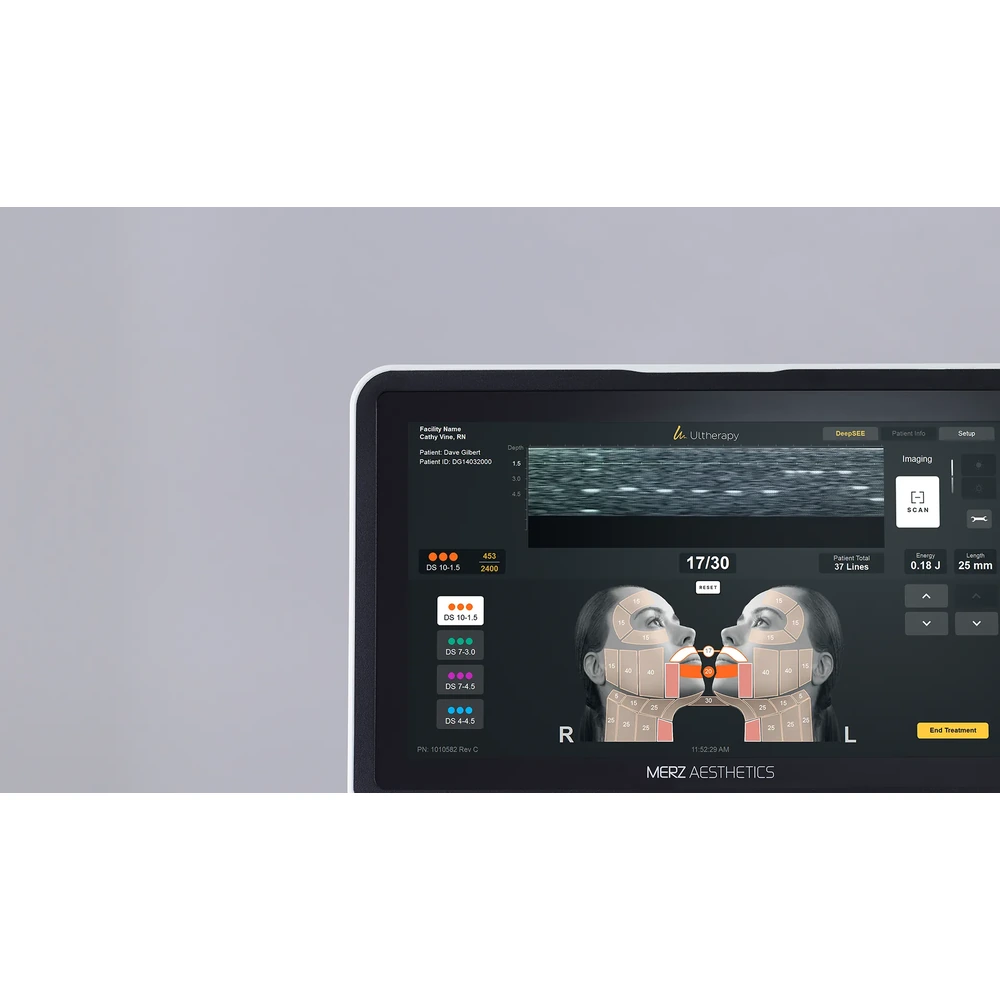 Identifying genuine ultrasound-with-visualisation treatment and suitable areas
Focused ultrasound delivers energy below the skin surface while imaging supports assessment of the treatment tissues. This is different from radiofrequency and from placing a lifting thread. The manufacturer's description does not make it equivalent to a surgical facelift.
Identifying genuine ultrasound-with-visualisation treatment and suitable areas
Ultherapy cannot promise a surgical facelift result, permanent lifting or safe treatment directly on the eye.
Which part of my concern would Ultherapy Treatment address?
A separate treatment purposeRead the individual guide before discussing the method.
Ask what the method is intended to address.
Individual suitability and response vary.
Which part of my concern would hifu skin tightening treatment address?
Use these five points to compare a consultation at Eco Botanic with any other clinic you are considering.
| What matters | Ask Medi Clinic Eco Botanic | Check with any clinic |
|---|---|---|
| 01Practitioner | Ask our team for the treating doctor’s name and credentials. | Check the named doctor’s current registration and relevant LCP scope. |
| 02Individual assessment | Discuss your skin, facial anatomy, history and priorities. | Look for an explanation of suitability, alternatives and what will remain unchanged. |
| 03Product & treatment plan | Confirm the proposed product, treatment scope and traceability. | Compare the actual brand and plan, not a generic treatment label. |
| 04Price & consent | Request an itemised explanation before deciding. | Check what the quote includes, possible risks and whether there is time for questions. |
| 05Review & continuity | Discuss review arrangements, including after returning to Singapore. | Confirm who handles concerns, how to contact them and any review costs. |
Bring your questions, previous treatment details and relevant medical history. Tell the clinic if your return journey has a fixed time.
Discuss the proposed method, intended change, alternatives, consent and full cost before deciding whether to proceed.
Follow the treating clinician’s advice. Keep the treatment record and clinic contact accessible while travelling.
Use the agreed review arrangements. Report unexpected symptoms promptly rather than waiting for another trip to Malaysia.

Heat-related injury is a risk that needs a device-specific discussion. In its October 2025 safety communication, the U.S. FDA reported serious complications with certain RF microneedling uses, including burns, scarring, fat loss and nerve damage. Unexpected pain or skin injury needs clinical review.
Before travelling from Singapore, ask whether the proposed treatment penetrates the skin and what recovery that means for work, skincare and outdoor plans. Keep the device and applicator details with your aftercare instructions.
For Radiofrequency (RF) Therapy enquiries in the Johor Bahru area, confirm the Eco Botanic branch in Iskandar Puteri. It is a different location from Taman Molek. Ask for the appointment time and map location together so the travel plan matches the booking.
Allow flexibility for border conditions and a proper consultation. This guide does not promise a fixed journey time. If you need to return to Singapore by a particular time, explain that before the appointment. An assessment may lead to further advice or a decision to postpone treatment.
Discuss follow-up before crossing the border. Ask when progress should be reviewed, whether a return visit may be needed and how to contact the treating team. A message can help explain a concern, but it cannot replace an examination when one is needed.
Request an itemised quote in the currency being used, including what consultation and review arrangements cover. Keep the clinic contact and written instructions with you. If an urgent problem occurs after returning to Singapore, seek care where you are rather than delaying care for travel.

Confirm the branch, appointment, care plan and review arrangements with our team.
Fine lines should be assessed in relation to the specific RF method.
The amount and location of looseness shape realistic expectations.
Texture alone does not identify whether a needle-based treatment is needed.
Device instructions and the correct applicator matter around the eye.
Select the concern you want to explore. Read its description here, then find related services at the end of this guide.
Fine lines should be assessed in relation to the specific RF method.
Five questions to help you understand Radiofrequency (RF) Therapy before your consultation.


No. RF is an energy category. Ask for the actual device model and applicator before comparing treatment claims.
That depends on the system. RF microneedling uses needle-like electrodes; a surface RF treatment is different. The quotation should make this clear.
RF uses electrical energy for heating, while Ultherapy uses ultrasound. Those methods do not share identical settings, instructions or treatment boundaries.
The October 2025 notice concerned serious complications reported with certain uses of RF microneedling. It should not be misrepresented as a statement that all RF treatments are identical.
No. The model's intended use, specific applicator and eye-protection requirements must be checked.
Yes. Tell the clinician before planning treatment so the actual device's contraindications can be checked.
No. Sensation is not a reliable result measure. Tell the treating clinician about unexpected or excessive discomfort.
Keep the device model, applicator or needle-treatment details, treated area and aftercare plan so a later review is specific to what was done.

Read the purpose, suitability questions and limitations before choosing a procedure.
View details
Read the purpose, suitability questions and limitations before choosing a procedure.
View details
Read the purpose, suitability questions and limitations before choosing a procedure.
View details
Read the purpose, suitability questions and limitations before choosing a procedure.
View detailsDiscuss Radiofrequency (RF) Therapy in Johor Bahru (JB), your priorities and follow-up arrangements with our team before planning your visit.
Book via WhatsAppAn enquiry starts the conversation. Your appointment is confirmed by the clinic.
Daily 10:00–18:00 · By appointment
2C-27, Jalan Eko Botani, Persiaran Eko Botani 2, 79100 Iskandar Puteri, Johor, Malaysia.
Open directions in Google Maps ↗