


Name what is being inserted.
The thread material, design and intended use should be recorded. A generic phrase such as collagen thread does not explain whether the proposal aims to suspend tissue or has another purpose.

Thread Lift Treatment describes a minimally invasive procedure using selected sutures to support or reposition tissue. The thread material and design must be named. A generic thread-lift label does not confirm a brand, a PDO formulation or the same plan for every face.
Thread Lift Treatment describes a minimally invasive procedure using selected sutures to support or reposition tissue. The thread material and design must be named. A generic thread-lift label does not confirm a brand, a PDO formulation or the same plan for every face.
Lifting threads provide support by engaging selected tissue with their design. The thread, the tissue and its placement all affect what can be attempted. Supporting or repositioning tissue is a different goal from improving its surface texture; a collagen claim should not obscure that distinction.
An adult with a selected laxity concern may discuss threads after assessment of tissue and expectations. Someone seeking a large or permanent structural change needs a frank comparison with other options rather than a promise based on the procedure's smaller entry points.
Thread lifting differs from an energy device, filler and a surgical facelift. Smooth threads and lifting threads should not be assumed to have identical purposes. Results and recovery also cannot be transferred from one named system to another.
Further reading: ASPS: thread-lift risks; ASPS: thread-lift results; ASPS surgeon-authored thread overview. These sources explain the treatment category or manufacturer identity; the proposed local product, device and individual plan still need confirmation.


Understanding a minimally invasive suture procedure and its limits
Agree the feature to review and what is unlikely to change.
Discuss history, anatomy, comfort and personal priorities.

Ask for the thread brand, material and design, the intended target and why threads are being suggested. Disclose previous threads, surgery, implants and injections. Ask how the clinician handles an exposed thread, persistent pain, asymmetry or an unsatisfactory result.
Describe whether the concern is a lower-face contour, cheek descent or surface texture. Threads intended for tissue suspension should not be discussed as though they are the same as every smooth thread or skin-quality procedure.
Ask the clinician to identify the actual thread system and material. PDO is not a synonym for all threads, and absorbability does not tell you the full risk profile or how long a visible effect will last.
The source and extent of jowl change influence whether a limited approach is realistic.
Cheek position, tissue weight and the intended direction need assessment.
A jawline concern can involve bone, fat and skin rather than one loose layer.

The thread material, design and intended use should be recorded. A generic phrase such as collagen thread does not explain whether the proposal aims to suspend tissue or has another purpose.
The assessment should connect the proposed direction and area to your own facial structure. A drawn lifting arrow is a discussion aid, not a prediction of how tissue will heal.
A thread procedure does not remove excess skin in the way a surgical operation may. A surgical comparison should explain this difference rather than presenting threads as an equivalent permanent facelift.
Switch between these matched educational views. A single selected feature changes while the identity, lighting and expression are kept consistent.
The source and extent of jowl change influence whether a limited approach is realistic. Cheek position, tissue weight and the intended direction need assessment. The first view is an reference view of features to discuss, not a diagnosis.
A thread lift is not a permanent facelift and cannot guarantee that heavy or markedly loose tissue will respond to a limited suture procedure.

 BeforeAfter
The divider reveals two versions of the same matched adult. Compare the feature described here rather than treating the second panel as a target face. Neither panel records a treatment at Medi.
Review contour in a relaxed face after early swelling has been considered. Record comfort, symmetry and any palpable or visible irregularity as well as the aesthetic goal. An early tight feeling is not a reliable measure of a lasting result.
A useful real-world review needs comparable camera distance, gaze, lighting and expression. Ask what was treated, when the photographs were taken and whether other procedures or temporary swelling could explain a difference.
Bring a history of earlier threads, filler, surgery and energy treatments. Tell the clinician about any persistent lump, tenderness or asymmetry. The next plan should account for what has already been placed in the area.
Ask about who performs the procedure, the setting and the arrangements for complications such as infection, extrusion or persistent pain. A minimally invasive description should still lead to a full discussion of tissue entry, recovery and consent.
Clarify whether a review is included and whom to contact if a thread becomes visible or an unexpected change develops. Do not pull, cut or try to reposition a thread yourself. Arrange appropriate assessment instead.

Early tightness and swelling are not the same as a settled result. Judge the agreed contour at the planned review, using matching expression and camera position. A photograph taken immediately afterwards cannot establish durability.
Facial movement and tissue thickness can influence how a contour looks. The clinician should explain what the proposed method is unlikely to correct, including substantial loose skin or unrelated pigment and texture concerns.
The choice to repeat treatment should follow an assessment of the previous response and current tissue, not an automatic calendar. Ask how persistent symptoms or an unsatisfactory result would change the plan before committing to another procedure.
These guides answer different questions. Select an option to read its purpose, limitations and a question to bring to the consultation. A related page is not a recommendation to combine procedures.
A combination is not automatically better. Ask what each proposed procedure would contribute and whether the same goal could be approached more simply. Taking time to decide remains a useful outcome.
Select an option. See its purpose, possible benefit and the distinction that matters.
Understanding a minimally invasive suture procedure and its limitsLifting threads provide support by engaging selected tissue with their design. The thread, the tissue and its placement all affect what can be attempted. Supporting or repositioning tissue is a different goal from improving its surface texture; a collagen claim should not obscure that distinction.
Understanding a minimally invasive suture procedure and its limits
A thread lift is not a permanent facelift and cannot guarantee that heavy or markedly loose tissue will respond to a limited suture procedure.
Which part of my concern would Thread Lift Treatment address?
A separate treatment purposeRead the individual guide before discussing the method.
Ask what the method is intended to address.
Individual suitability and response vary.
Which part of my concern would aptos namica thread lift address?
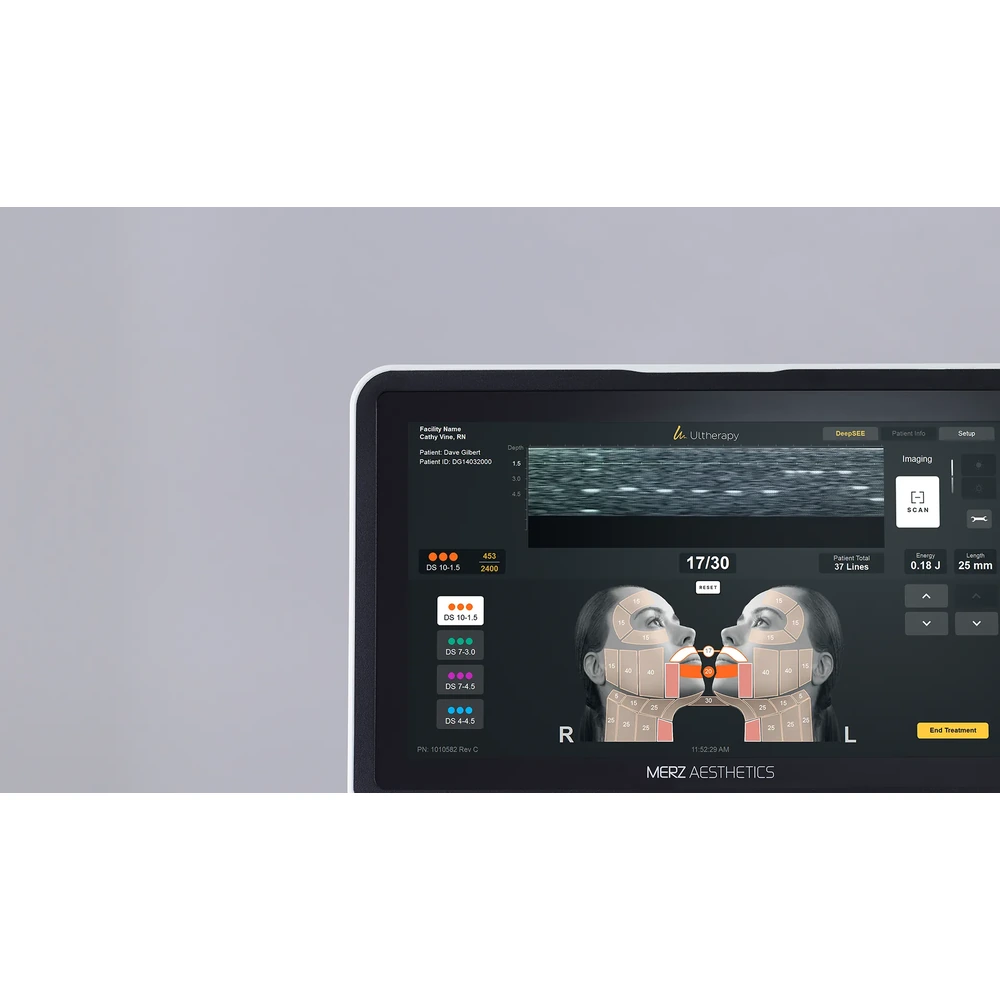 Identifying genuine ultrasound-with-visualisation treatment and suitable areas
Focused ultrasound delivers energy below the skin surface while imaging supports assessment of the treatment tissues. This is different from radiofrequency and from placing a lifting thread. The manufacturer's description does not make it equivalent to a surgical facelift.
Identifying genuine ultrasound-with-visualisation treatment and suitable areas
Ultherapy cannot promise a surgical facelift result, permanent lifting or safe treatment directly on the eye.
Which part of my concern would Ultherapy Treatment address?
 Separating surface RF, RF microneedling and device-specific treatment claims
The way RF energy is delivered matters. A surface handpiece and an array of microneedle electrodes do not expose tissue in the same way. The treatment goal, depth and safety controls must therefore be discussed for the particular system rather than inferred from the initials RF.
Separating surface RF, RF microneedling and device-specific treatment claims
RF cannot guarantee no burns, no unwanted tissue change, no downtime or a facelift-level result; risks and suitable areas differ between devices.
Which part of my concern would Radiofrequency (RF) Therapy address?
Use these five points to compare a consultation at Eco Botanic with any other clinic you are considering.
| What matters | Ask Medi Clinic Eco Botanic | Check with any clinic |
|---|---|---|
| 01Practitioner | Ask our team for the treating doctor’s name and credentials. | Check the named doctor’s current registration and relevant LCP scope. |
| 02Individual assessment | Discuss your skin, facial anatomy, history and priorities. | Look for an explanation of suitability, alternatives and what will remain unchanged. |
| 03Product & treatment plan | Confirm the proposed product, treatment scope and traceability. | Compare the actual brand and plan, not a generic treatment label. |
| 04Price & consent | Request an itemised explanation before deciding. | Check what the quote includes, possible risks and whether there is time for questions. |
| 05Review & continuity | Discuss review arrangements, including after returning to Singapore. | Confirm who handles concerns, how to contact them and any review costs. |
Bring your questions, previous treatment details and relevant medical history. Tell the clinic if your return journey has a fixed time.
Discuss the proposed method, intended change, alternatives, consent and full cost before deciding whether to proceed.
Follow the treating clinician’s advice. Keep the treatment record and clinic contact accessible while travelling.
Use the agreed review arrangements. Report unexpected symptoms promptly rather than waiting for another trip to Malaysia.

Possible problems include bruising, swelling, infection, thread extrusion and persistent discomfort. Obtain written instructions on cleaning, pressure and activity. Do not try to pull, trim or manipulate a visible thread yourself; contact the treating clinician.
Plan work, exercise and travel around the actual aftercare rather than a lunchtime-lift slogan. Singapore visitors should know who will assess a concern that needs an in-person examination after they return home.
For Thread Lift Treatment enquiries in the Johor Bahru area, confirm the Eco Botanic branch in Iskandar Puteri. It is a different location from Taman Molek. Ask for the appointment time and map location together so the travel plan matches the booking.
Allow flexibility for border conditions and a proper consultation. This guide does not promise a fixed journey time. If you need to return to Singapore by a particular time, explain that before the appointment. An assessment may lead to further advice or a decision to postpone treatment.
Discuss follow-up before crossing the border. Ask when progress should be reviewed, whether a return visit may be needed and how to contact the treating team. A message can help explain a concern, but it cannot replace an examination when one is needed.
Request an itemised quote in the currency being used, including what consultation and review arrangements cover. Keep the clinic contact and written instructions with you. If an urgent problem occurs after returning to Singapore, seek care where you are rather than delaying care for travel.

Confirm the branch, appointment, care plan and review arrangements with our team.
The source and extent of jowl change influence whether a limited approach is realistic.
Cheek position, tissue weight and the intended direction need assessment.
A jawline concern can involve bone, fat and skin rather than one loose layer.
Record the starting difference so a lift is not judged against impossible symmetry.
Select the concern you want to explore. Read its description here, then find related services at the end of this guide.
The source and extent of jowl change influence whether a limited approach is realistic.
Five questions to help you understand Thread Lift Treatment before your consultation.


No. It is generally described as minimally invasive because sutures are placed in tissue, even though it is different from a facelift operation.
Do not assume that. Ask for the exact material and system proposed for your treatment.
No. A count alone does not explain tissue suitability, design, placement or the intended change.
That should not be promised. Ask what a limited thread procedure can and cannot address in your particular concern.
The consent discussion should cover problems such as infection, swelling, bruising, extrusion, persistent pain and an unfavourable result, along with system-specific risks.
Contact the treating clinician for assessment. Do not attempt to manipulate, trim or remove it yourself.
Yes. Give the dates, areas and material if known so future treatment can be planned with that history in mind.
Confirm the written restrictions and review arrangements first, including who can examine an unexpected problem in person after travel.

Read the purpose, suitability questions and limitations before choosing a procedure.
View details
Read the purpose, suitability questions and limitations before choosing a procedure.
View details
Read the purpose, suitability questions and limitations before choosing a procedure.
View details
Read the purpose, suitability questions and limitations before choosing a procedure.
View detailsDiscuss Thread Lift Treatment in Johor Bahru (JB), your priorities and follow-up arrangements with our team before planning your visit.
Book via WhatsAppAn enquiry starts the conversation. Your appointment is confirmed by the clinic.
Daily 10:00–18:00 · By appointment
2C-27, Jalan Eko Botani, Persiaran Eko Botani 2, 79100 Iskandar Puteri, Johor, Malaysia.
Open directions in Google Maps ↗