


Hair & scalp
Hair shedding: bring a timeline to your consultation
The pattern and timing of hair change help shape the assessment.
Explore the guide ↗Look beyond shedding to patterns, scalp symptoms and care history.
Patient reading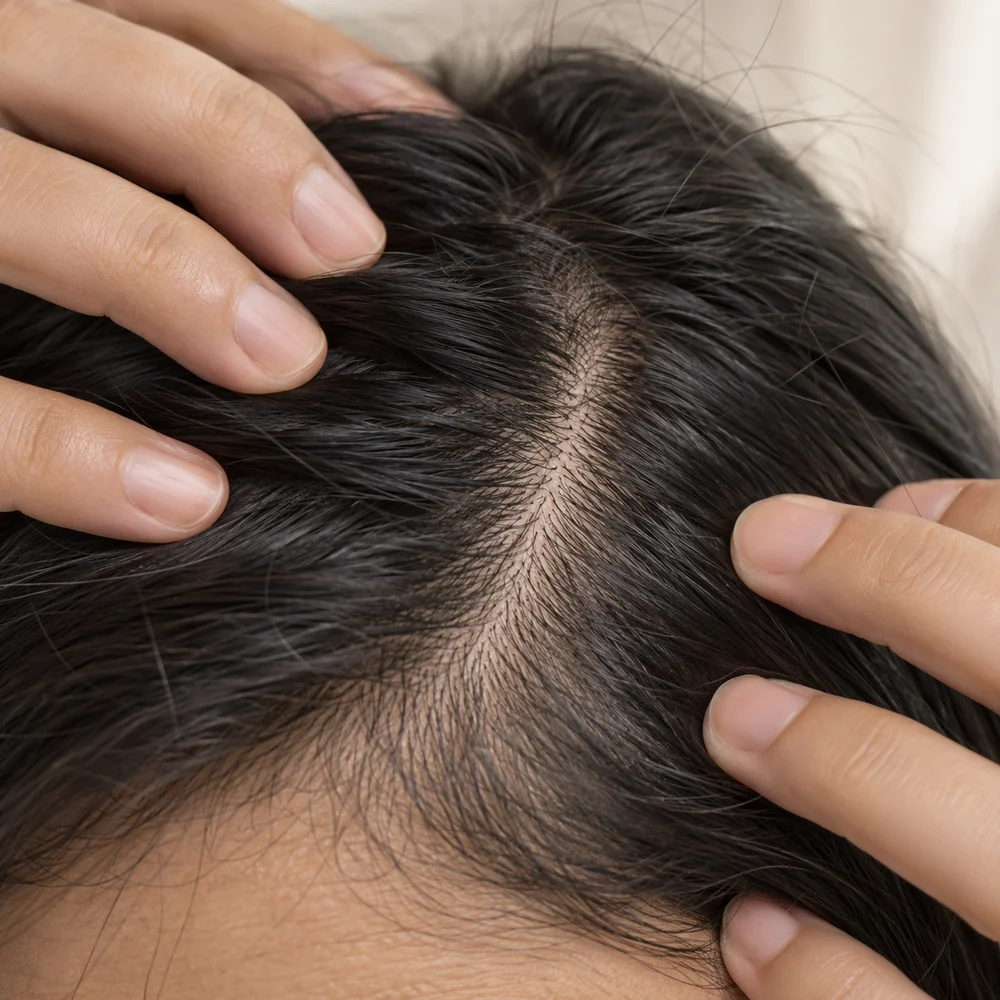
More hair in the shower, a widening part and short broken strands describe different changes. Note when the change began, whether it is diffuse or patchy and whether the scalp is itchy, sore or flaky. Photos taken in similar lighting can help show the pattern, but an examination is needed to understand the cause.
Mention recent illness, major stress, dietary changes, medicines and hair styling practices. The timing can matter even when an event was several months earlier. Do not stop prescribed medicine or start supplements simply because hair is shedding. Ask what examination or further investigation is appropriate before choosing a scalp treatment.
Scalp comfort, shedding and hair density are separate outcomes. Discuss which can realistically change, how long monitoring may take and when the plan should be reviewed. Hair growth and unwanted-hair removal are also different topics: use the article that matches your concern, rather than assuming all “hair treatments” have the same purpose.
American Academy of Dermatology — Hair loss: diagnosis and treatment
US patient education; used for general concepts, not confirmation of Malaysian approval or clinic availability. Content updated 3 October 2026.
Explore the guide Arrange a consultation