


Pigmentation & tone
Uneven skin tone: start with an assessment
Different causes of pigmentation can look similar in a photograph.
Explore the guide ↗Explore uneven colour, sun exposure and daily skin protection.
Patient reading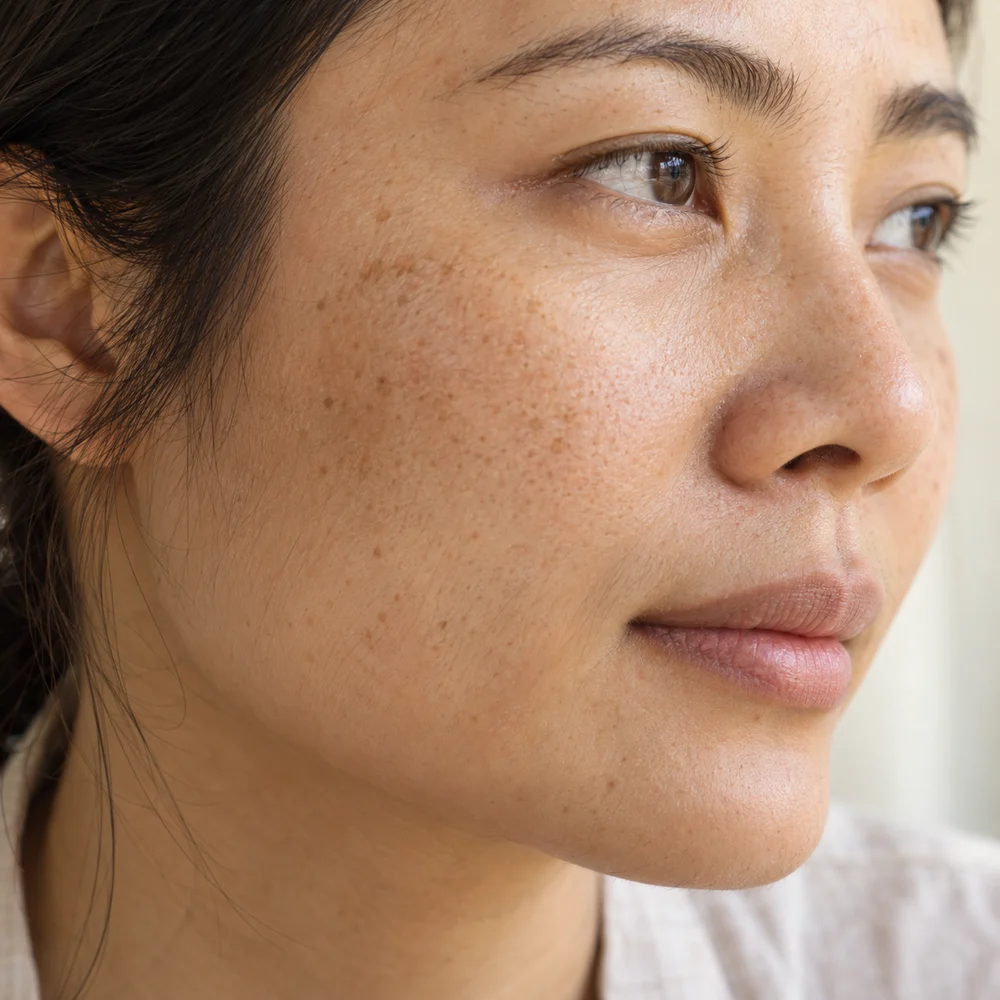
A mark left after acne is not the same as a patch that slowly appeared across both cheeks. Sun exposure, inflammation and irritation may influence pigmentation. Describe when the colour appeared, whether it changes and what products you were using. A new or changing spot deserves assessment rather than being assumed to be a cosmetic pigment problem.
Shade, clothing and sunscreen work together. For exposed skin, the American Academy of Dermatology advises broad-spectrum, water-resistant SPF 30 or higher. Choose a texture you can use consistently, and follow the label for reapplication. Ask whether tinted sunscreen is useful for your particular pigmentation concern; the right routine should also be comfortable for your skin.
More aggressive treatment is not always a better answer to darker marks. Irritation can itself contribute to colour change. Before a peel or laser, discuss your skin tone, previous reactions, sun exposure and recovery. Ask which pigment problem the proposed treatment addresses, how progress will be judged and how the daily routine will support it.
Different causes of pigmentation can look similar in a photograph.
Explore the guide ↗
Shade, clothing and a suitable sunscreen work together in everyday sun protection.
Explore the guide ↗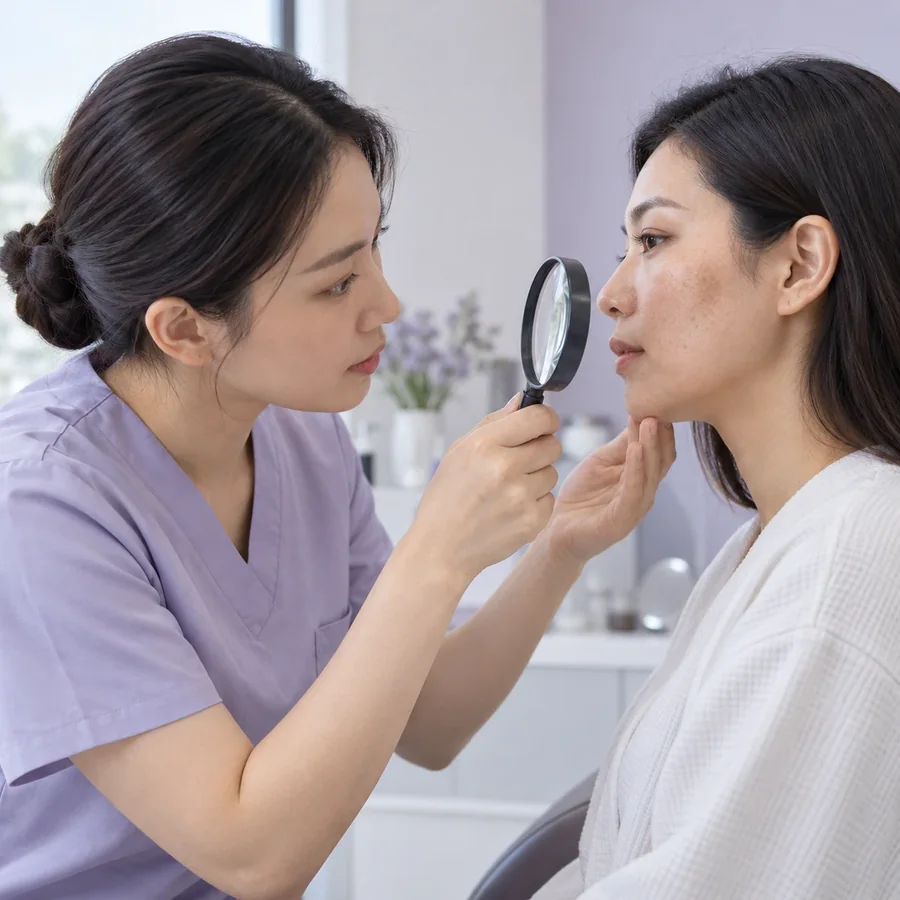
The device is only one part of a decision about your skin, goals and recovery.
Explore the guide ↗American Academy of Dermatology — How to fade dark spots
US patient education; used for general concepts, not confirmation of Malaysian approval or clinic availability. Content updated 3 October 2026.
Explore the guide Arrange a consultation