

01 · Skin & skincare
What to understand
Note when the colour change began, whether it followed irritation or a procedure, and whether it changes with sun exposure. Tell the clinician about products, medicines and previous attempts to lighten the area. The aim is to identify the concern before choosing a device or brand.
Uneven colour is a description, not a diagnosis. A dark area that followed a breakout, a broader recurring patch and a single changing spot may need different explanations. Start by noting where the colour appears, when you first saw it and what happened beforehand. Include inflammation, a product reaction, sun exposure or an earlier procedure without deciding which is the cause. Say whether the area is changing in shape, size or symptoms.
A changing lesion deserves appropriate assessment before a cosmetic attempt to lighten it. Photographs can document a pattern but may distort colour through lighting, filters or camera processing. Bring a short history and unfiltered images if helpful. The examination should connect those observations with the skin findings. Ask which kind of colour change is being discussed and why that distinction changes the daily care or procedure considered.

02 · Skin & skincare
Plan the next step
Ask whether skincare, sun protection, observation or a procedure is the appropriate next step. Discuss the possibility of irritation or further colour change, particularly with a history of pigmentation after inflammation. A new, changing or otherwise concerning spot needs medical assessment rather than an assumed cosmetic explanation.
Preparation includes the products you use and your previous response to treatment. Bring labels for brightening products, exfoliants, prescribed creams and anything that has caused stinging or redness. Include dates and details of peels, lasers or other procedures, particularly if you noticed darker patches afterwards. A product described as natural or brightening does not explain its ingredients or suitability. Do not add several active products before the appointment to try to improve the photograph.
Tell the clinician about relevant medicines and health changes, and let them decide what needs investigation. Ask how sun protection fits into the plan and whether your actual routine is realistic for outdoor work or travel. The proposed approach should follow the assessment rather than start with the assumption that every patch needs a laser. Waiting or addressing irritation first may be part of a sensible sequence.

03 · Skin & skincare
What is the likely cause of this colour change?
Explain when the colour changed and any earlier inflammation or treatment. Ask what needs examination before choosing a pigment-focused approach.
Ask for the likely explanation and the limits of that explanation. Post-inflammatory colour changes, melasma and other findings should not be treated as interchangeable simply because they look darker than nearby skin. If the diagnosis remains uncertain, clarify whether further assessment is appropriate before treatment. Discuss what the proposed daily care or procedure targets, what may remain and how recurrence is considered. A fading patch is not proof that the original cause has disappeared, while a temporary lack of change does not automatically justify stronger treatment.
You should understand what is being evaluated and when. Avoid using an overseas product authorization or another person's result as evidence that a particular option is suitable for your skin. The clinician should explain the individual rationale, including skin condition, prior responses and whether a non-procedural approach is appropriate before any treatment course is agreed.
04 · Skin & skincare
What could make it worse?
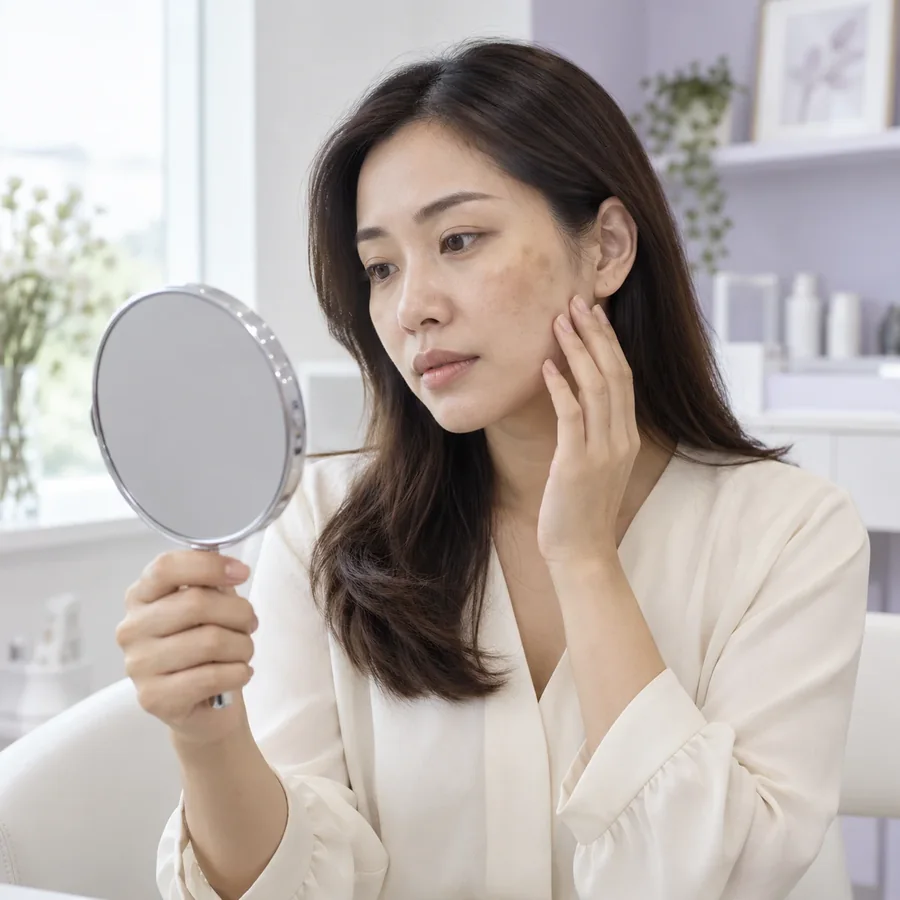
Review your sun exposure, products and previous reactions with the clinician. Make the daily routine part of the plan.
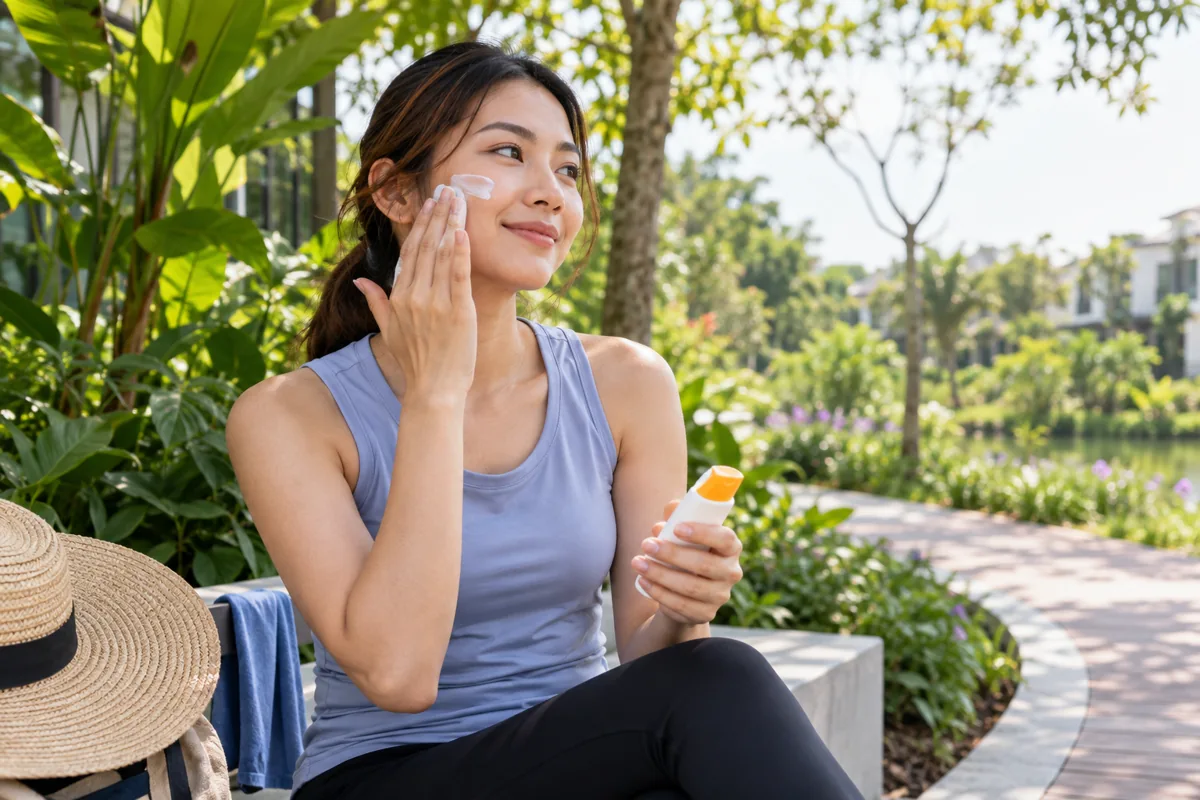
Discuss factors that may aggravate the appearance, especially repeated irritation and ultraviolet exposure. An uncomfortable product can add a new problem to an existing colour concern, so tell the clinician what stings and how often you apply it. A more complicated routine is not necessarily a more effective one. Ask which steps are essential and which should be reviewed rather than layering multiple brightening products. Sun protection should involve a practical combination of a suitable product, shade and clothing; an SPF number alone cannot describe your exposure or habits.
If a procedure is proposed, ask about preparation, risks of colour change and recovery instructions for your skin. Do not copy another person's product timetable or resume strong actives without instruction. The plan needs to be feasible through work, sport and travel, since consistency between appointments matters as well as the procedure itself.

05 · Skin & skincare
How will we review the response?
Agree on consistent lighting for photographs and a review appointment. Ask how the team will decide whether to continue or reconsider the approach.
Agree on a review method that reflects colour rather than camera effects. Take comparison images with similar lighting, position and make-up conditions, and keep the date with each image. Report discomfort or new patches alongside any visible fading. Ask when the response can be meaningfully assessed and what would lead to continuing, waiting or changing the plan. A series of treatments should be reconsidered if the response or tolerance differs from expectations.
Do not attempt to correct an unwanted change by adding another peel or stronger product before assessment. Keep the treatment and product details available when contacting the team. The aim is an informed plan for an assessed pigment concern, not a promise of perfectly uniform skin or permanent removal of every dark spot. You may choose daily care and monitoring if a procedure does not fit your priorities or circumstances.
A practical comparison
Illustrative scenario, not a patient record.
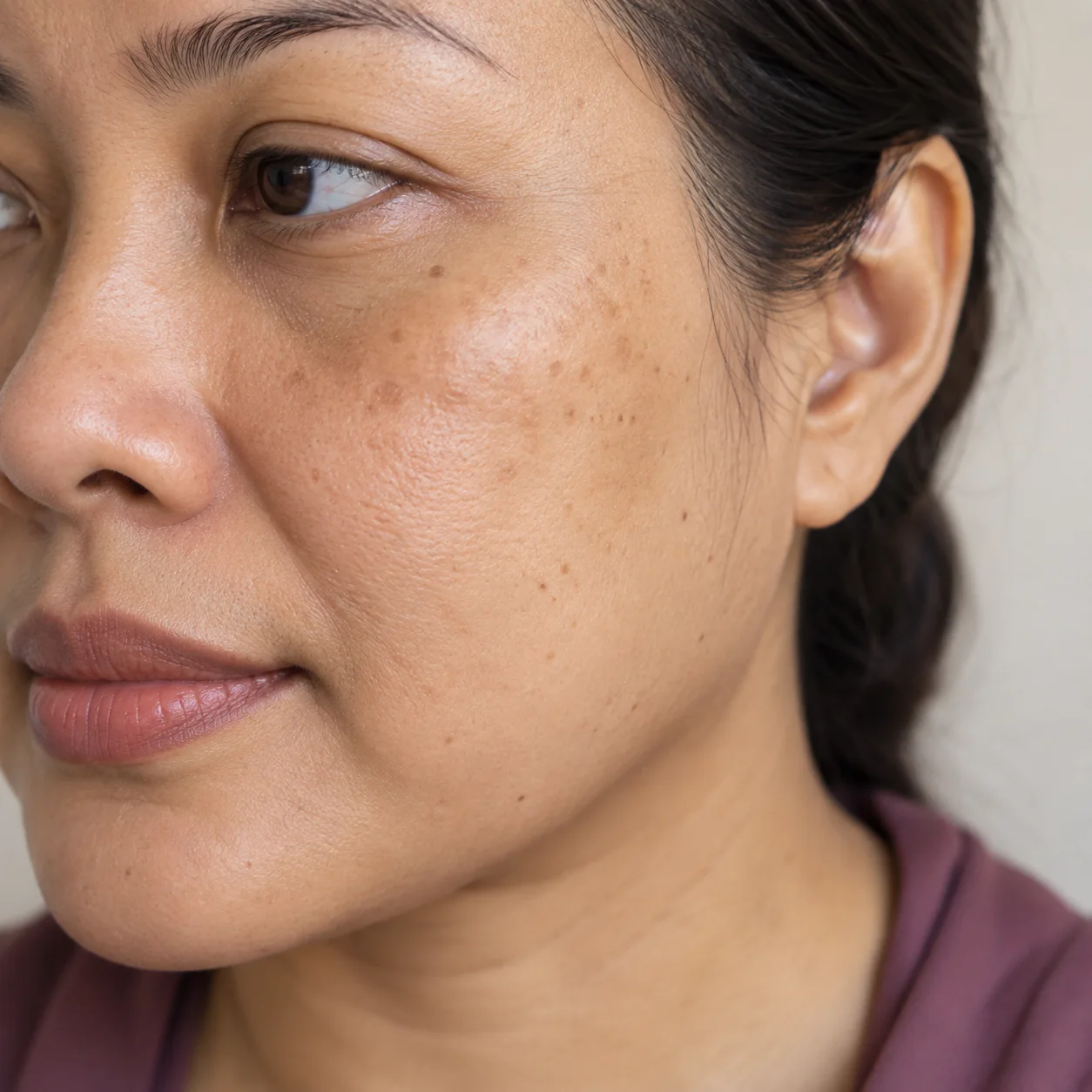
Imagine an illustrative comparison between a flat mark after an irritated spot and a separate lesion that has recently changed. Both may be called pigmentation in an enquiry, but the first task is an appropriate assessment of what each observation represents. A cosmetic request to fade colour should not bypass the question of a changing lesion. For an assessed colour concern, ask which cause is being considered and why a proposed routine or procedure fits it.
This scenario does not diagnose either finding. It demonstrates why timing, symptoms and changes in appearance belong in the history. Prepare your own note by listing the area, first appearance, any preceding irritation and whether shape or size has changed. Add current products and previous treatment responses. Do not treat a filter-lightened image as a personal outcome prediction. Ask what is being targeted, what may remain and how recurrence or further change will be reviewed.
If the skin becomes uncomfortable during a plan, tell the clinician before adding another strong product. At review, compare the same area under similar conditions and bring the product record. The next decision should be connected to the observed response and tolerance, not merely to a package timetable. The example offers a practical way to distinguish questions; it does not authorize a laser, identify a lesion or promise uniform colour.
If a new or concerning change appears, obtain the appropriate medical assessment rather than applying the example as a home-treatment decision.
When you compare treatment descriptions, separate the diagnosis from the technology. Write down the clinician's explanation of the colour change first, then the reason for the proposed care. This prevents a device name from becoming the answer to every type of pigmentation. Keep any uncertainty in the record and ask what observation or assessment would resolve it at the next review.
Your own notes
Record the first appearance, preceding irritation and any change in shape or symptoms. Bring brightening-product labels and prior recovery reactions. Ask for the assessed explanation before comparing technologies, and keep daily protection in the review plan.
Explore the topic
Explore the related guide →Further reading
Open the supporting patient information ↗Sources for this topic
United States patient information. Regulatory details apply to that jurisdiction; local availability and individual suitability require separate confirmation.