


01 · Skin & skincare
What to understand
Look for broad-spectrum sunscreen with SPF 30 or higher and water resistance. Apply it according to the label and reapply during outdoor exposure, especially after swimming or sweating. A hat, protective clothing and shade remain useful; sunscreen is one part of protection rather than permission to stay in strong sun.
Sun protection works best as a practical routine rather than a product reserved for holidays. Think about the times you are outdoors: the walk from a car park, a lunch break, school runs, sport and weekend activities. Cloud cover and a cool-feeling day are not reliable ways to judge ultraviolet exposure. Sunscreen is one part of protection alongside shade, clothing and a suitable hat. A routine that relies only on a product while ignoring hours in direct sun may leave important gaps.
Start by identifying the parts of your day that you can change. Moving a break into shade or carrying a hat can be easier to maintain than repeatedly buying a different product. The objective is consistent protection that fits ordinary life in Johor.

02 · Skin & skincare
Plan the next step
Choose a texture you can use consistently and discuss products that sting or aggravate your skin. If you are planning a peel or light-based treatment, ask for procedure-specific sun precautions. Bring your outdoor work, exercise and travel schedule into the discussion so that the plan fits daily life.
Read a sunscreen label for its purpose before judging its texture or fragrance. Broad-spectrum protection covers UVA and UVB, while SPF describes a particular part of tested protection and is not a promise that you can stay outdoors without limits. AAD patient guidance recommends a broad-spectrum, water-resistant sunscreen with SPF 30 or higher. Water-resistant does not mean waterproof, and a morning application is not an all-day plan.
Choose a formulation that you can apply comfortably and consistently. If a product stings or appears to worsen a skin problem, bring the label and explain the reaction instead of abandoning all sun protection. A clinician can discuss alternatives and the role of protective clothing while the skin is assessed.

03 · Skin & skincare
Does this product suit my skin?
Discuss your skin tolerance, usual activities and the product label. A routine you can use comfortably is easier to maintain.
Application matters as well as the number on the packaging. Follow the product directions and give exposed areas deliberate attention instead of making a quick pass over the centre of the face. Ears, the neck, hands and an exposed scalp are easy to forget. Make-up or a moisturiser carrying an SPF label should not automatically be assumed to provide the same coverage as a full, directed sunscreen application.
Explain your actual routine when discussing protection, including whether you apply before leaving home and what happens later. A product may feel pleasant yet be used too sparingly or only on selected areas. Keep the approach simple enough to repeat, and use clothing and shade for areas that are difficult to cover reliably.

04 · Skin & skincare
How should I reapply during outdoor activities?
Plan around the actual time outdoors, sweating and swimming. Check the label and discuss how those activities affect reapplication.
Plan reapplication around what you do, not only around the clock. Outdoor sun-protection guidance commonly calls for reapplication about every two hours and after swimming or sweating, with the exact water-resistance instructions on the label also relevant. Towelling can remove a product even when it was labelled water-resistant. Carrying sunscreen makes that plan possible when you are away from home. For a long outdoor activity, decide where you can stop, find shade and reapply before the event starts.
If you wear make-up, ask for a realistic method that still provides the intended coverage. A convenient format is helpful only if it is used correctly. No format makes a prolonged period in direct sunlight risk-free.

05 · Skin & skincare
What extra precautions follow my procedure?
Bring your procedure-specific instructions to the discussion. Clarify sun exposure, clothing and when your usual products can be used.
After an aesthetic procedure, follow the written plan for that particular treatment rather than borrowing instructions from another person. The timing of product use can depend on the procedure and the condition of the skin. Ask which sunscreen or physical protection is appropriate during recovery and what to do if application is uncomfortable. Keep the treatment date and instructions available when contacting the clinic. Sun protection also matters when managing uneven tone, but it does not diagnose a dark spot or replace assessment of a changing lesion.
Compare progress under similar lighting instead of using photographs taken in very different conditions. The useful outcome is a workable routine and an agreed review plan, not a promise that one product will erase pigmentation or prevent every future skin change.
A practical comparison
Illustrative scenario, not a patient record.
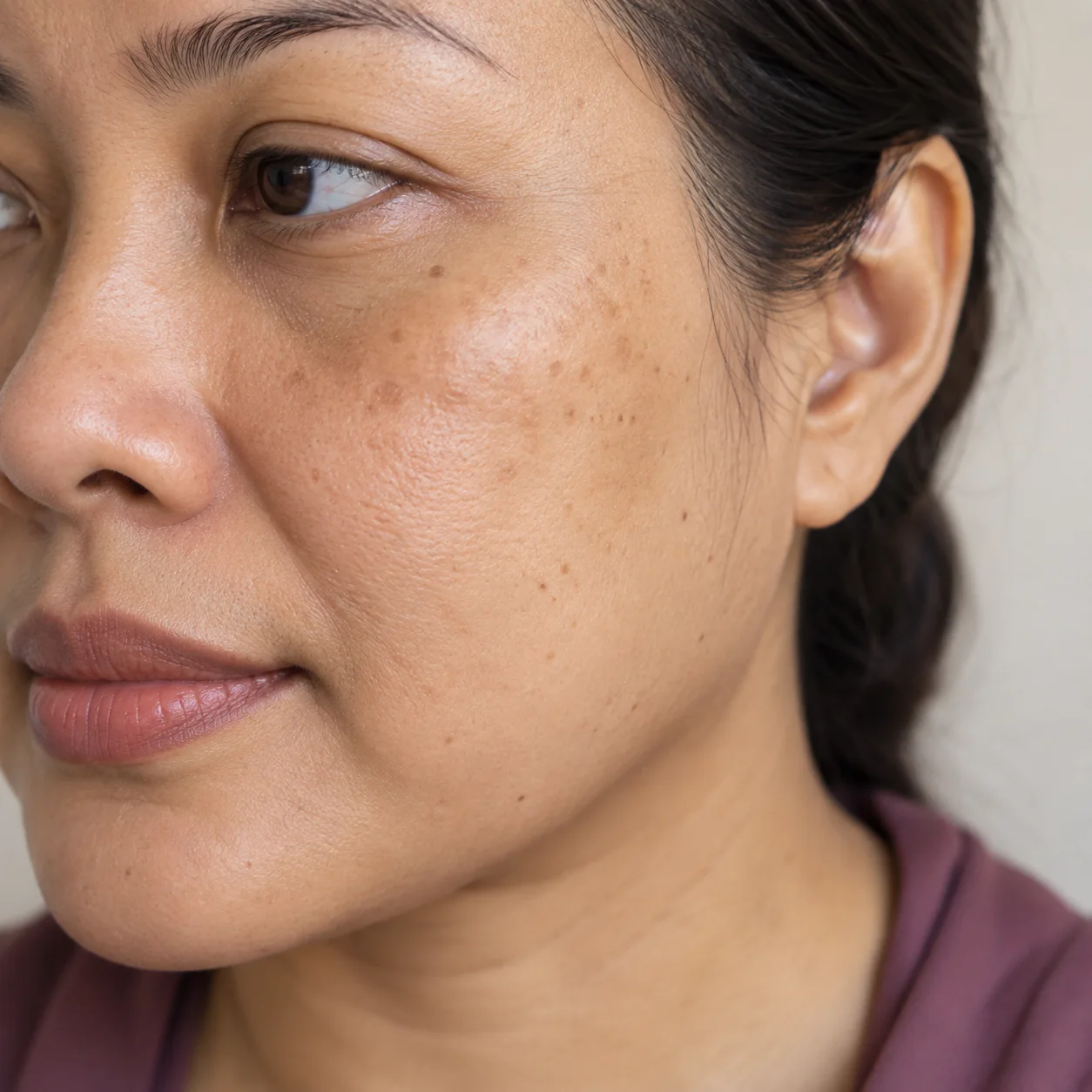
Imagine an illustrative outdoor day in which someone applies sunscreen before leaving home, then spends several hours walking, sweating and wiping the face. The morning application is a start, but it does not describe the whole protection plan. A useful discussion considers reapplication, shade, clothing and the product's own water-resistance instructions. This scenario is not a personal exposure calculation or a guarantee of protection. It shows why practical habits matter alongside the SPF on a label.
Prepare your own plan by listing outdoor activities and the places where you can stop in shade. Carry the product if you will need to reapply away from home. Ask what suits your skin if a formulation is uncomfortable, and keep protection options available while that concern is assessed. Do not assume that moving to a higher SPF removes the need for other measures. For comparison, a person mostly indoors with occasional outdoor breaks may need a different practical routine from someone working outside for long periods.
The common point is to describe real exposure rather than only the product number. After a procedure, connect this discussion to the written recovery instructions, because the timing and type of products may depend on the treatment. At review, explain what you were able to follow and what was difficult. That helps make the plan feasible rather than treating protection as an abstract checklist. The example does not diagnose a pigment concern or promise that sunscreen erases an existing mark.
It also does not establish a safe unlimited duration outdoors. Keep the roles separate: SPF and spectrum describe tested product properties, while shade, clothing, coverage and reapplication describe how you manage the day. If a photograph is used to assess a colour change, standardize lighting so that differences in sun or camera exposure are not mistaken for the response to a skincare product. A useful outcome is a routine you understand and can maintain, with a plan to discuss skin reactions or a changing lesion appropriately rather than trying to solve every concern by switching sunscreen.
Your own notes
List actual outdoor activities, coverage and opportunities to reapply. Keep the product instructions with that plan and discuss uncomfortable formulations. After a procedure, connect sun protection to the specific recovery instructions rather than a generic timetable.
Explore the topic
Explore the related guide →Sources for this topic
American Academy of Dermatology — How to select a sunscreen ↗
United States patient information about sunscreen selection; not a confirmation of local product availability.