



01 · Aesthetic treatments
What to understand
Ask what the laser is intended to address and why it is suitable for your concern and skin tone. Explain tanning, past pigmentation after irritation, medicines and previous laser treatments. A recognisable machine name does not tell you the settings or establish that every treatment is appropriate.
Laser and light-based procedures cover several technologies and purposes. A device discussed for pigment is not automatically suitable for hair removal, surface texture or every dark spot. Intense pulsed light is also different from a laser. The assessment should identify the concern first, then explain why the proposed technology fits it. Tell the clinician what you see, where it appears and whether it has changed, instead of requesting a setting or brand from a video.
A changing lesion may need diagnosis before any cosmetic approach is considered. Ask which part of the problem the procedure aims to address and which findings may remain. The term laser facial alone is too broad to explain the treatment. A useful consultation identifies the device category, target area, realistic purpose and alternatives, including the possibility of waiting. That makes it easier to compare options without assuming that all light-based care has the same recovery or risks.

02 · Aesthetic treatments
Plan the next step
Confirm the eye-protection arrangements, expected recovery and aftercare instructions. Ask how work, outdoor activity and other planned procedures affect timing. Discuss who will perform the treatment and how to contact the team if healing differs from the explanation. Judge progress at the agreed review rather than immediately after a session.
Prepare a history of previous procedures and your response to them. Include device names if known, treatment dates, products used afterwards and any lingering pigment change, blistering or unusual healing. Say if you have recent tanning or sun exposure, current irritation, medicines relevant to photosensitivity or a medical condition affecting the area. Let the clinician decide which details matter rather than leaving them out yourself. Ask whether a test area or additional assessment is appropriate; a test does not guarantee that no reaction will occur elsewhere.
Discuss your work, exercise and travel plans so that recovery is practical. You should know how long the appointment is expected to take and which preparation steps are specific to the device being used. Avoid using an unrelated clinic's online timetable as a substitute. Your preparation needs to match the actual procedure and skin assessment.

03 · Aesthetic treatments
Why is this approach suitable for my skin?
Ask which concern is being targeted and how your skin history affects the choice. Discuss alternatives alongside the proposed device.
Suitability depends on more than whether a procedure has a familiar name. Skin tone, recent exposure, the nature of the finding and prior reactions should be discussed alongside the device's intended use. Ask how the clinician has considered those factors and what would make an alternative more appropriate. Higher intensity does not automatically mean a more useful result, and a strong visible reaction is not proof that the correct target has been treated.
If the explanation includes several technologies, ask what each contributes and why they are being used in that order. Clarify whether another medical assessment is needed before treatment of an area that has changed. Be cautious about comparing photographs without knowing the original finding, timing and lighting. An individual plan should state what improvement is plausible, what is uncertain and how the result will be reviewed rather than guaranteeing the same outcome as another person's image.

04 · Aesthetic treatments
What recovery should I plan for?
Explain work, exercise, outdoor activities and travel commitments. Request an individual recovery plan before deciding on timing.
Recovery varies with the procedure, so the written instructions should name the care you actually received. Ask what redness, discomfort or surface changes are expected and what changes require contact. Get instructions about cleansing, sun protection, make-up, exercise and the return to active products. Do not assume that no obvious peeling means there is no need for aftercare. Conversely, visible peeling is not a reason to scrub or remove skin yourself.
If travel or outdoor work will make the instructions hard to follow, discuss that before booking. Have the treatment record and contact information available after you leave. If you are given a product timetable, distinguish prescribed treatment from ordinary skincare and ask before making your own changes. The aim is a manageable recovery plan you can carry out at home, not a collection of general tips taken from several different devices.

05 · Aesthetic treatments
How will the result and any adverse reaction be reviewed?
Agree on review photographs, appointments and a route for unexpected changes. Make sure you know who to contact between visits.
A review should consider the original concern, the skin's response and unwanted effects. For pigment or texture, photographs under comparable conditions are more useful than a before image in harsh light and an after image with make-up or a filter. Ask when the result should be assessed and what information would change the next step. A further session should have a reason related to the observed response.
Do not book another treatment merely because a package contains unused visits, or intensify care because an immediate photograph looks similar. If symptoms are unexpected or worsening, explain the timing and seek the recommended assessment. Keep a record of products used during recovery as well as the procedure. An informed decision can include stopping, waiting or choosing a different approach. The guide helps organise questions; it does not confirm that a particular laser is available or appropriate for an individual visit.
A practical comparison
Illustrative scenario, not a patient record.

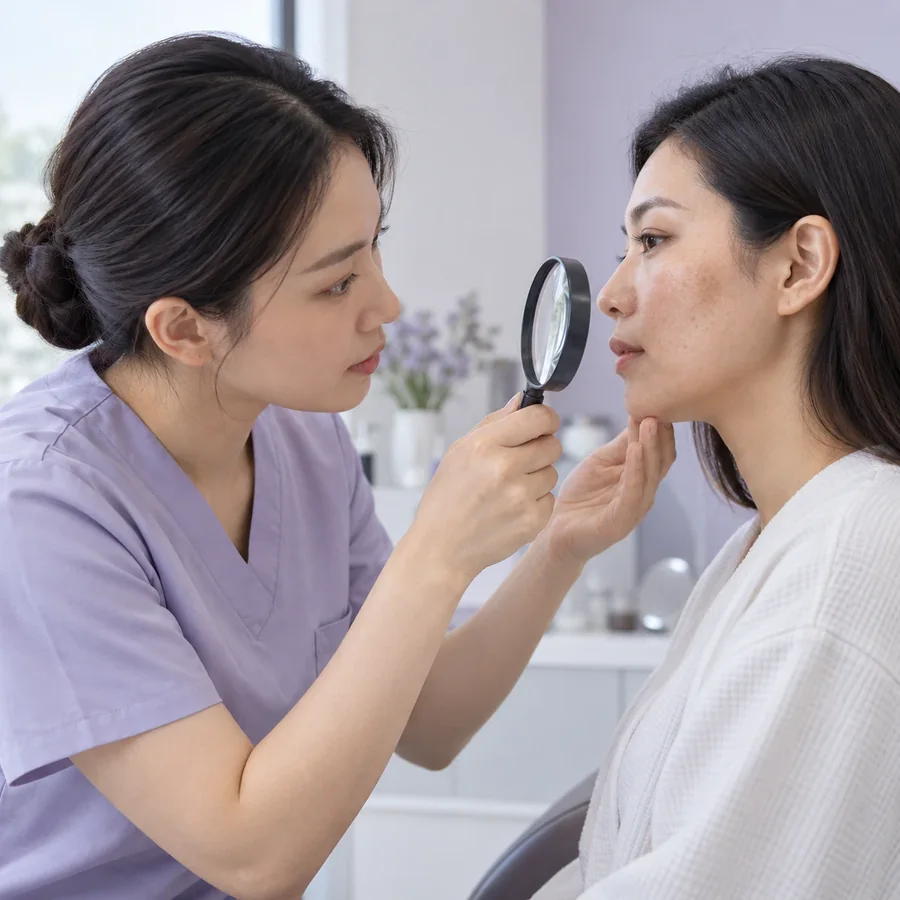
Imagine an illustrative appointment where a person asks for a laser facial after seeing a photograph of a smoother complexion. The useful first question is what concern the photograph and the person's skin actually represent. A pigment concern, hair reduction and resurfacing are not automatically the same use of light-based technology. The assessment should identify the finding before the procedure is selected. Ask the clinician to describe the technology, target area and purpose, then explain the limits and recovery.
This scenario does not establish a device choice. It shows why an appealing image is a starting point for questions rather than a personal prediction. For your own comparison, keep three columns in a note: observed concern, proposed approach and expected review. Add preparation requirements and relevant previous reactions beside the approach. If a device name changes between enquiry and consultation, ask whether the purpose or risks also change.
A brand or promotional facial name may cover details that deserve a more precise explanation. After treatment, compare the agreed finding under similar photographic conditions. Include discomfort, colour changes or difficulty following aftercare, since appearance alone is not the entire response. If another session is suggested, ask what the observed result supports and whether any uncertainty should be resolved first. This keeps the plan connected to the actual concern rather than a generic series of visits.
The example illustrates how to compare information; it does not recommend a laser setting, confirm a diagnosis or promise the appearance shown in an advertisement.
Your own notes
Write the assessed concern beside the light-based technology and its intended purpose. Include recent exposure and previous reactions. Ask which recovery instructions apply to this device and what evidence would justify another session.
Explore the topic
Explore the related guide →Further reading
American Academy of Dermatology — 10 things to know before having laser treatment for your scar ↗United States patient information supporting consultation questions and the relevant treatment background; local authorization and availability require separate confirmation.


