


Acne & marks
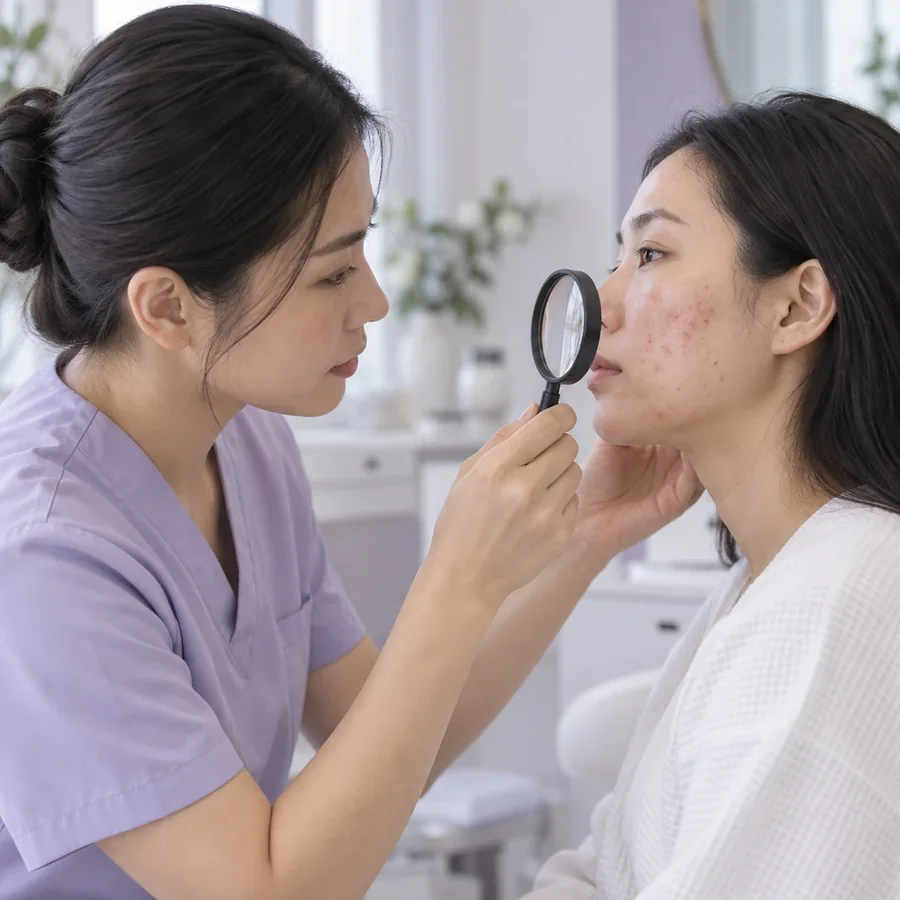
Acne consultation: describe the pattern, not just the breakout
Timing, previous products and the type of breakout help guide a more useful assessment.
Explore the guide ↗Understand active breakouts, flat marks and changes in skin texture.
Patient reading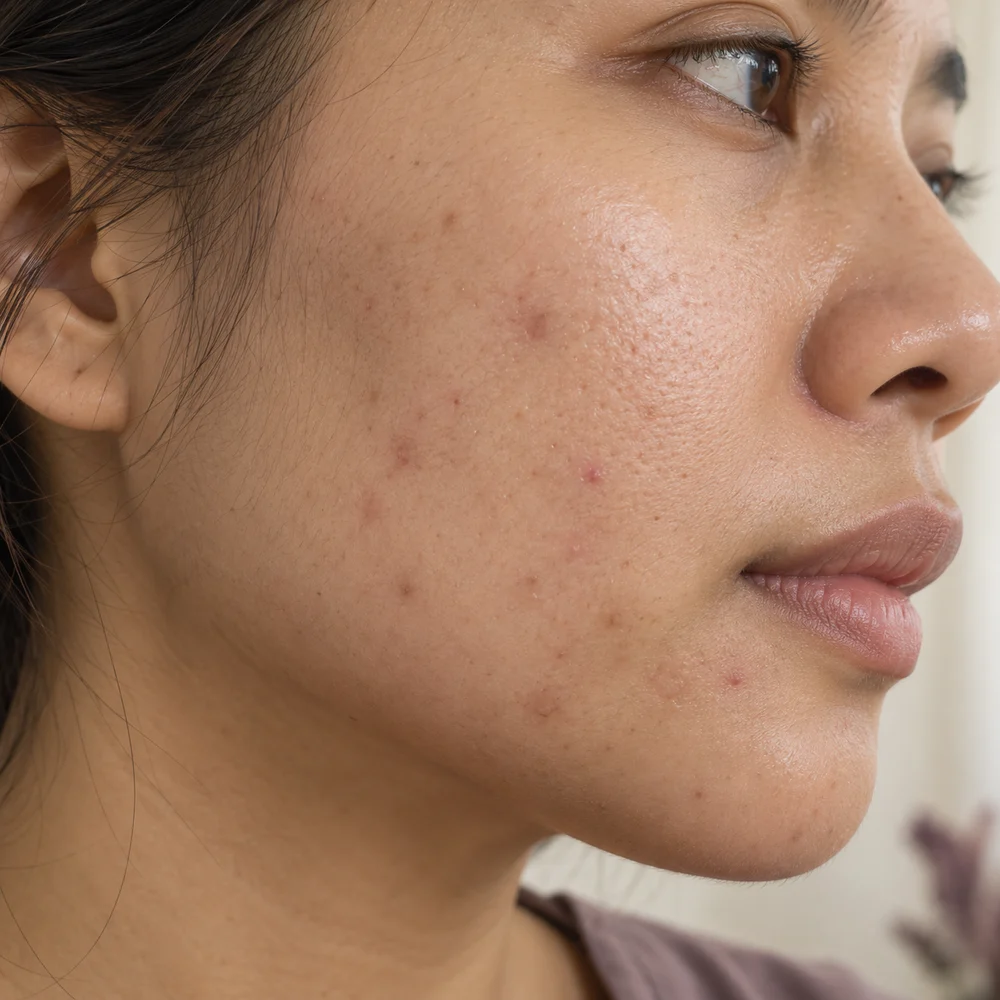
A new inflamed spot, a flat brown mark and a shallow indentation are different findings. Active acne may continue to create marks, while a scar changes the surface of the skin. Describe each separately: which areas are painful, which are changing colour, and which feel uneven under side lighting. This helps the consultation focus on the problem that needs attention first.
A scar procedure does not automatically control ongoing breakouts. Ask whether active acne and irritation should be addressed before discussing resurfacing. Picking can worsen scarring and dark marks. Keep a record of products and previous prescriptions, including how long you used them, rather than judging a treatment after only a few applications.
Discuss new breakouts, discomfort, marks and tolerability as separate measures. Consistent photographs may help track change, but lighting and makeup can hide differences. Agree on when to review the plan and what to do if your skin becomes very irritated. The articles below explain consultation preparation, scar types, peels and microneedling in more detail.
Timing, previous products and the type of breakout help guide a more useful assessment.
Explore the guide ↗
Colour changes and changes in skin depth should not be treated as the same problem.
Explore the guide ↗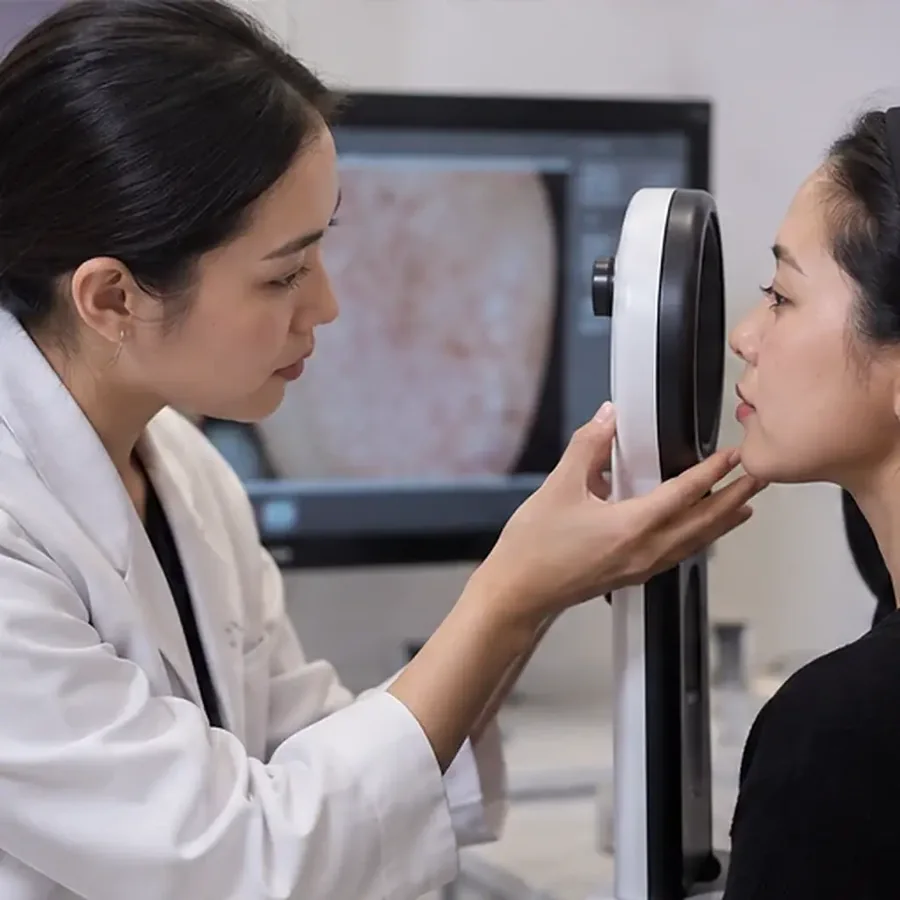
A peel name alone does not tell you how your skin will respond or how to plan recovery.
Explore the guide ↗
Device type, skin condition and aftercare matter more than a session count on an advertisement.
Explore the guide ↗American Academy of Dermatology — Acne: tips for managing
US patient education; used for general concepts, not confirmation of Malaysian approval or clinic availability. Content updated 3 October 2026.
Explore the guide Arrange a consultation