

01 · Skin & skincare
What to understand
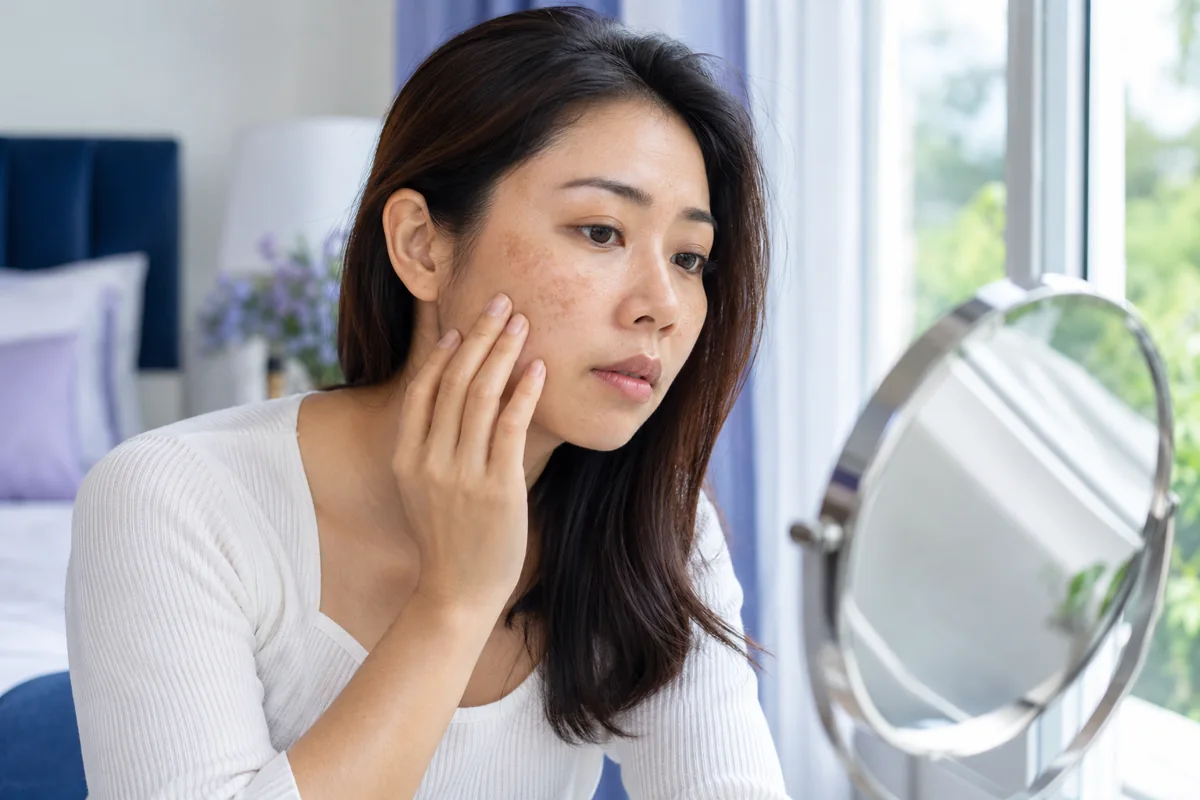
A mark may mainly change colour, while a scar can change the surface or depth of the skin. More than one pattern can exist on the same face. Photos can illustrate what bothers you, but an in-person examination helps distinguish the concerns and whether acne remains active.
A mark and a scar are not interchangeable descriptions. A flat area that looks darker or redder is a colour change; a depression, raised area or altered surface is a change in texture. One area may show both. Looking at a photograph alone can make the distinction harder because directional light creates shadows and a filter can hide colour. Describe what you notice in ordinary daylight and which change matters most to you.
The examination should identify the types of findings and whether acne is still active. Names such as ice-pick, rolling or boxcar describe particular depressed scar patterns, but self-labelling every mark is unnecessary before the visit. The important question is how the observed pattern changes the plan. An approach aimed at colour may leave a depression unchanged, while a procedure for texture may not answer the cause of every dark patch.
Ask for that distinction in plain language.

02 · Skin & skincare
Plan the next step
Ask which part of the problem a proposed peel, microneedling or laser treatment aims to address. Compare recovery, pigment-related risks and the possibility of needing different approaches. Improvement is individual; a package name or a single photograph cannot establish how many sessions you will need.
Preparing for a scar discussion means reviewing the skin's history as well as its current appearance. Bring dates and names of previous acne medicines, peels, lasers, needling or injections, even when a treatment took place at another clinic. Include what changed, how recovery felt and whether you developed persistent colour changes or unusual scarring. Mention any tendency to form raised scars and the products you currently use.
If new acne continues, ask how it will be managed alongside the remaining scars; treating old texture without considering new outbreaks can leave the wider problem unresolved. Discuss available time for recovery, work and outdoor exposure before agreeing to a procedure. You should understand why a particular option is being proposed and why another might be deferred. A staged discussion can be more informative than selecting a package containing several techniques without explaining the role of each one.

03 · Skin & skincare
Which types of marks or scars do I have?
Ask the clinician to explain the difference between colour changes and texture changes in your own skin before naming a procedure.
Different scar patterns may need different approaches, and several patterns may be present on one face. Ask the clinician to point out the findings they are addressing and describe what the proposed procedure is intended to change. A useful explanation connects the treatment area to the goal instead of promising an entirely smooth face. Clarify whether the priority is less noticeable shadowing, a change in surface texture or management of remaining colour.
Ask which findings are unlikely to respond to the proposed option and whether an alternative would be more appropriate. You can choose to leave some areas untreated. A decision should also take account of your skin condition, previous responses and comfort with recovery. The fact that someone else's scar improved after a particular treatment does not establish that your scar pattern, timing or risks are the same.
Images can illustrate possibilities but cannot determine an individual outcome.

04 · Skin & skincare
What change is realistic for each type?
Discuss each area separately, including what may remain visible. Request a realistic goal and the basis for assessing change.
Set a comparison method before starting a series of scar treatments. Similar lighting and camera position matter especially for depressed scars, since shadows can exaggerate or conceal depth. Compare photographs at a review point appropriate to the procedure rather than immediately after temporary swelling. Ask which changes may be visible early and which need a later assessment. A percentage improvement advertised online is not a personal prediction and should not be treated as an agreement about your result.
Talk instead about the features that could become less noticeable and what would count as a worthwhile change for you. Include the practical burden: time away from work, repeated visits, aftercare and costs. Before extending a treatment course, review both benefit and unwanted effects. A clear stop or reconsideration point is useful when the observed response differs from the original aim.

05 · Skin & skincare
How will the plan protect my skin tone?
Share previous pigment changes and treatment reactions. Ask how the assessment, aftercare and review take your skin tone into account.
Protecting skin tone is part of planning rather than an optional step after a procedure. Tell the clinician about recent tanning, sun exposure, previous post-treatment darkening and your ability to follow the recovery plan. Ask what preparation is needed, which products should be paused under instruction and how sun protection will be managed. Do not follow another person's preparation timetable, particularly if you use prescribed acne treatment.
Recovery instructions should identify expected changes, contact arrangements and symptoms needing earlier assessment. If you cannot fit the proposed care into your schedule, discuss postponing or choosing another approach. The goal is an informed choice about an individual scar pattern, not a promise that every mark will disappear. Keep the assessment and follow-up linked: photographs, symptoms and your own priorities all belong in the review, including the option to stop after a change you consider sufficient.
A practical comparison
Illustrative scenario, not a patient record.
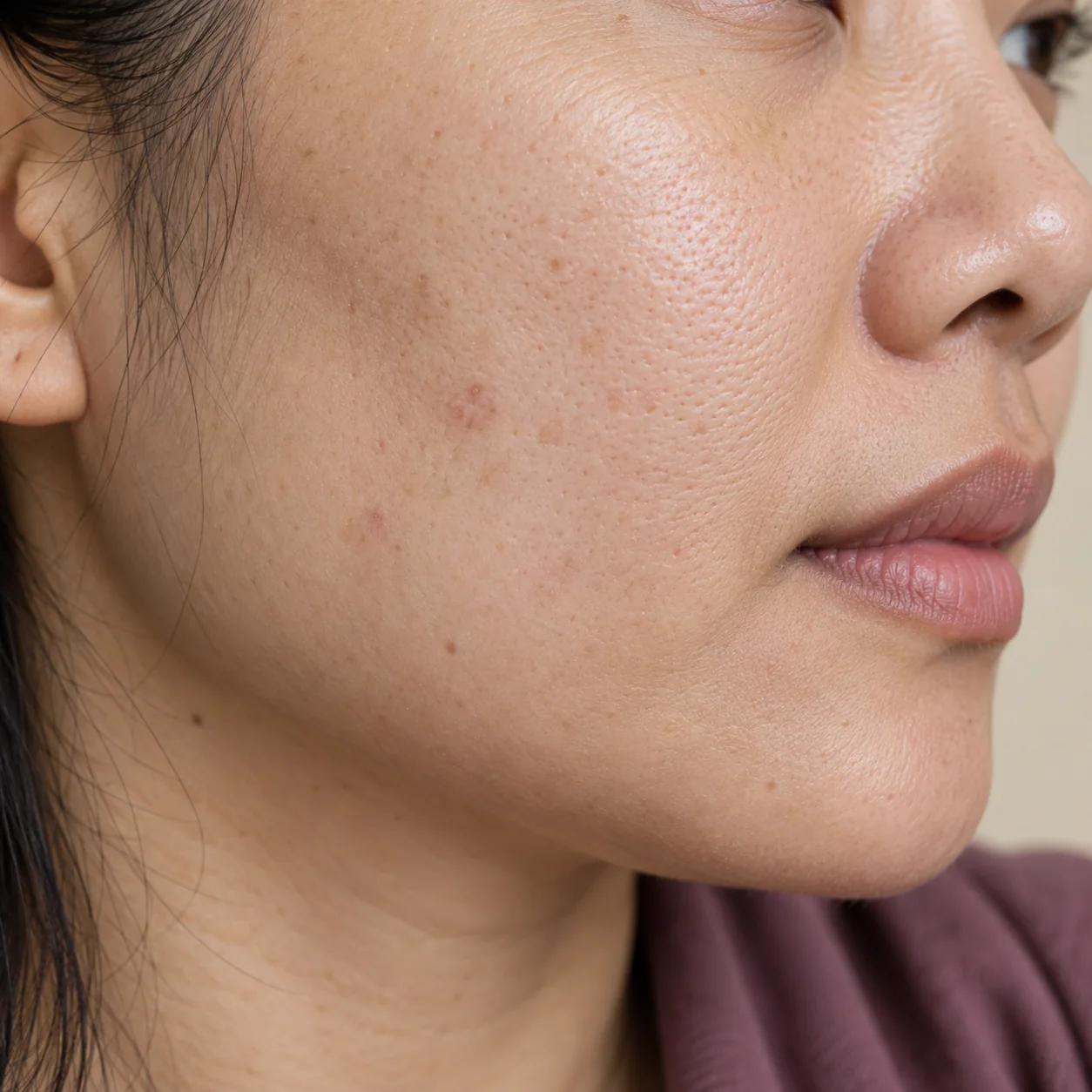
Consider two illustrative concerns under the same label acne marks. One person sees flat brown areas after healed spots. Another notices depressions that cast shadows when light comes from the side. The first description concerns colour; the second concerns surface depth, although colour may coexist. A useful assessment explains those differences rather than giving both people the same package. The person with depressions can ask which patterns are present, what a proposed procedure is intended to alter and how lighting will be standardized at review.
The person with flat marks can ask about their likely cause and the role of daily care. Neither example establishes a diagnosis from a photograph. They show how the question becomes more precise when the observed feature is described. A third issue is timing: if new acne is still active, ask how that is being managed alongside any discussion of scars. A plan for old texture should make its relationship with ongoing breakouts clear.
This is an educational scenario, not a report of a clinic result. For your own comparison, write colour and texture on separate lines, then note what bothers you on each line. Record whether the appearance changes with light or make-up. Bring previous treatment dates and any history of colour changes during recovery. At a review, compare the same findings rather than judging the whole face against a poreless image.
That keeps the conversation connected to the agreed goal and gives you a clearer basis for deciding whether another step is worthwhile. It does not guarantee that a scar or mark will disappear.
Your own notes
Separate colour and surface depth in your notes. Record previous scar procedures and recovery reactions, and ask which scar pattern the next proposal targets. Compare the same area under similar lighting after the agreed interval.
Explore the topic
Explore the related guide →Further reading
Open the supporting patient information ↗Sources for this topic
United States patient information. Regulatory details apply to that jurisdiction; local availability and individual suitability require separate confirmation.