


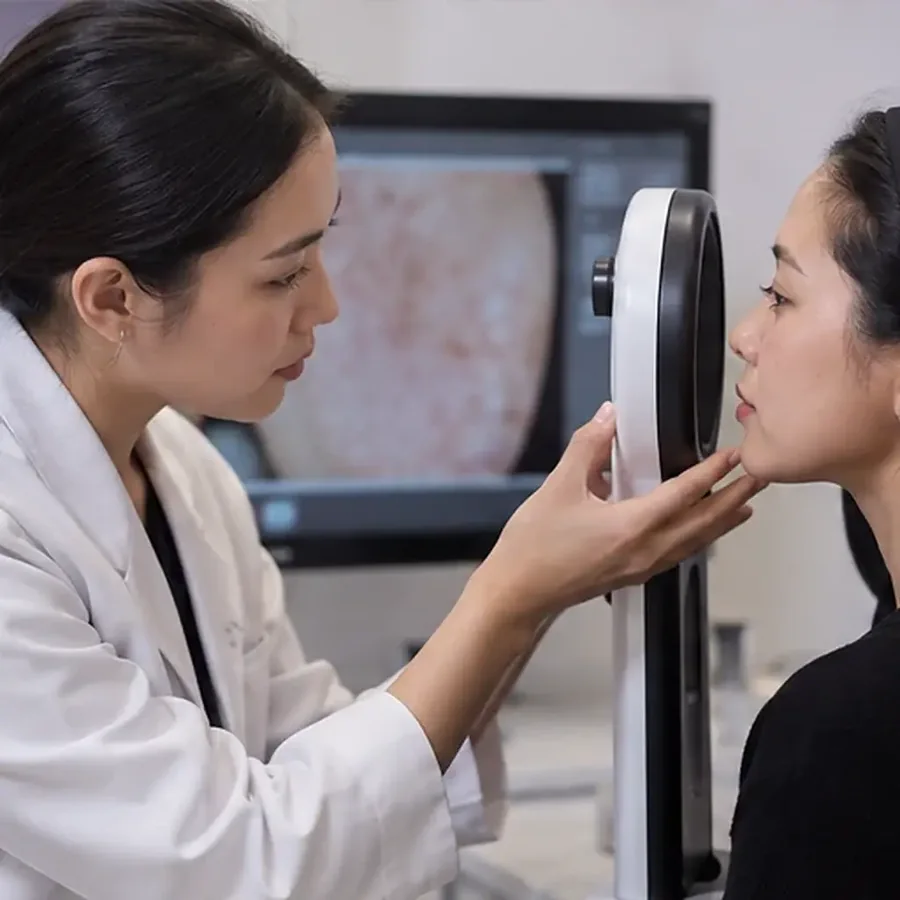
01 · Aesthetic treatments
What to understand
Chemical peels differ in the solution used and the depth of their effect. Ask which concern the proposed peel addresses and why that approach is suitable for your skin. Tell the clinician about sensitive skin, previous colour changes, recent treatments and all current skincare products.
A chemical peel is a controlled procedure using an applied agent to affect the skin surface. The words peel or renewal do not identify the same treatment in every clinic. Agent, strength, exposure, depth and skin condition all belong in the explanation. A superficial peel and a deeper procedure can have very different preparation and recovery requirements. Ask what the proposed peel is intended to address: selected surface concerns, uneven appearance or another assessed problem.
It should not be presented as a universal solution to every mark, deep scar or sign of ageing. Discuss whether the concern needs medical assessment before a cosmetic procedure. If your skin is already stinging, inflamed or recovering from another treatment, say so before scheduling. Choosing a peel by how dramatically somebody shed skin afterwards is not a useful way to compare suitability. The planned depth and purpose matter more than a dramatic recovery photograph.

02 · Aesthetic treatments
Plan the next step
Get a written explanation of preparation, expected skin changes and when to restart individual products. Confirm how to manage sun exposure, work and exercise. Do not assume that more peeling means a better result or use a stronger home product to imitate a medical treatment.
Your preparation should begin with a review of current products and health history. Bring labels for exfoliants, retinoids, acne medicines and products that have caused a reaction. Include prior peels, laser treatments and any history of unusual healing, cold sores or post-treatment darkening. Ask which details change the proposed plan rather than assuming that a familiar procedure needs no assessment. If a preparation routine is advised, get the steps and timing in writing.
Do not stop prescribed treatment or start a strong priming product on the basis of a generic online timetable. Discuss sun exposure and travel plans, since the ability to follow aftercare is relevant before a booking is made. A consultation should leave you knowing what will be applied, why it fits your skin findings and what could justify delaying the peel. If those points remain unclear, ask before consenting to the procedure.

03 · Aesthetic treatments
What depth of peel is proposed?
Ask for the proposed procedure name, intended depth and purpose in plain language. Confirm that the discussion refers to your assessed skin.
Ask what depth is being proposed and how that changes the experience. The sensation during application, visible recovery and time before resuming usual products depend on the actual procedure. A deeper approach is not automatically a better choice for a particular concern. More visible peeling is also not proof of a better final result. Discuss the alternatives, including a daily care plan or another procedure if suitable, and whether waiting is reasonable.
You should understand which findings a peel is expected to address and which it is not designed to change. Ask how your previous reactions and tendency to develop pigment changes have been considered. If several treatments are proposed together, request an explanation of the order and the reason for combining them. An individual plan should connect each step to an assessed need rather than adding procedures simply to make a package sound more comprehensive.

04 · Aesthetic treatments
Which products need to be paused, and when?
Bring a complete product and medicine list. Request individual written instructions rather than pausing prescribed medicines yourself.
Clarify the product timetable with the treating clinician. The question is not just what to pause but when to pause it, how the skin will be assessed and when each step can resume. Bring the actual routine so that a moisturiser or sunscreen is not confused with an exfoliating or prescription product. Do not pick, scrub or pull at peeling skin to speed the process. Ask how to cleanse, moisturise and protect the area during recovery, and what to do if one of those steps is uncomfortable.
Plan work, exercise and outdoor activity around the instructions you receive. If travelling, consider whether you can reach care if an unexpected reaction develops. Written instructions should be specific enough to follow at home without relying on memory. A photograph of somebody else's recovery is not a substitute for advice about the agent and depth used in your own treatment.

05 · Aesthetic treatments
Which changes require a call to the clinic?
Before leaving, confirm the contact number and which unexpected changes need assessment. Keep the instructions accessible during recovery.
Before leaving, ask how expected recovery differs from changes that need a call or an examination. Describe increasing discomfort, persistent problems or an unexpected change clearly, including when it began and which products have been used. The clinic needs the treatment date and details to interpret the history. Do not repeat the peel or add another strong product in an attempt to correct a result before it has been assessed.
Review the response under consistent lighting after the appropriate recovery interval, and consider both appearance and skin comfort. Discuss whether another session is justified by the response rather than by a fixed package schedule alone. Information from the AAD is useful background about peels, but it describes a range of procedures and does not confirm local availability or an individual plan. Your decision should rest on an examination, a clear purpose, practical recovery instructions and a way to obtain follow-up.
A practical comparison
Illustrative scenario, not a patient record.
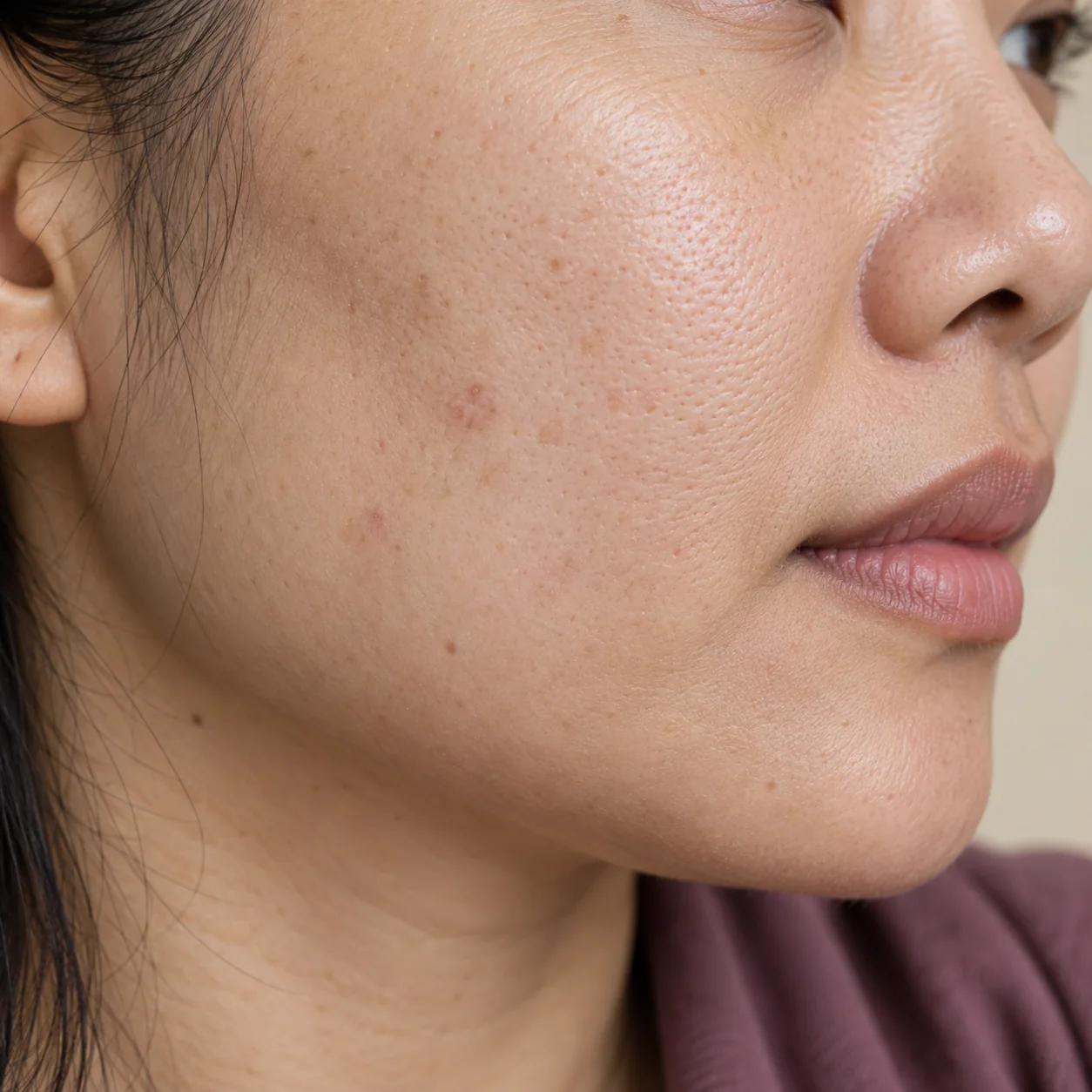
Imagine an illustrative consultation in which someone requests the strongest peel because a friend's skin visibly shed for several days. That observation describes recovery, not the suitability of the friend's procedure for another person. A more useful question is which assessed concern the proposed peel targets and what depth is appropriate to discuss. The clinician can explain preparation, expected changes and limits for the actual procedure.
A person with current irritation or recent treatment may need a different sequence from someone with comfortable skin and a different goal. This example does not prescribe a peel or a waiting period. It shows why the amount of visible shedding should not be the main comparison. When preparing your own questions, separate three items: the concern, the proposed agent and depth, and the recovery plan.
If one item remains vague, ask for clarification before deciding. Check that instructions about products refer to your real routine rather than another person's routine. Ask what to do if a step is uncomfortable and whom to contact if the response differs from expectations. At review, discuss both the intended appearance and how the skin felt during recovery. A procedure that looks impressive in a recovery image still needs an explanation of its practical benefit.
Conversely, a less dramatic recovery does not by itself prove that treatment failed. The educational point is to compare purpose, suitability and response, with the treating clinician interpreting the details. Do not use this example to choose a strength, stop a prescription or determine when to repeat a peel.
Your own notes
Keep the peel's purpose, agent and depth beside the written recovery plan. Bring current product labels and ask for a specific pause-and-resume timetable. Review the assessed concern and skin comfort, rather than the amount of visible peeling.
Explore the topic
Explore the related guide →Further reading
Open the supporting patient information ↗Sources for this topic
United States patient information. Regulatory details apply to that jurisdiction; local availability and individual suitability require separate confirmation.


