


01 · Aesthetic treatments
What to understand
Ask whether the proposed procedure is conventional microneedling or a treatment that also uses energy. These should not be assumed interchangeable. Explain active breakouts, infections, scarring history, medicines and recent procedures so the clinician can assess suitability before discussing a course.
Microneedling describes procedures that use small needles to create controlled punctures in skin. That description does not make every roller, pen or energy-assisted device equivalent. Mechanical microneedling and radiofrequency microneedling involve different technology and need their own explanation of suitability and risk. Start by asking which procedure and device are being discussed and which assessed finding it aims to address. A concern about colour, a depressed acne scar and a wish for smoother texture should not automatically lead to the same settings or treatment plan.
Explain the location, how long the concern has been present and what you hope will change. Do not choose a procedure solely because an online video shows redness or a dramatic immediate appearance. An individual discussion should connect the skin findings, the proposed method and the expected review interval. It should also make clear which concerns the method is not intended to answer.

02 · Aesthetic treatments
Plan the next step
Understand how the equipment is handled, what recovery may involve and which skincare products are appropriate afterwards. Ask how response will be reviewed before scheduling repeat sessions. Avoid copying a clinic treatment with home devices; the risks and technique are not made equivalent by using a similar name.
Preparation includes skin health and previous care, not just arranging a date. Tell the clinician about current acne, infections, irritation, prescribed medicines, recent procedures and a history of unusual scarring or healing. Bring the names of products used on the area, including exfoliants and retinoids. Ask what information changes eligibility and whether any assessment should happen before the booking. You should know what preparation is required and which changes to make only under instruction.
Do not borrow another person's medication or product timetable. If you will be outdoors, travelling or unable to complete follow-up, discuss that before the procedure. The practical plan should include cleansing, recovery products and whom to contact if the response differs from expectations. A careful consultation may lead to postponing treatment or considering an alternative; a website description cannot establish that skin is suitable on the day.

03 · Aesthetic treatments
Which device and procedure are being proposed?
Clarify the procedure and equipment being discussed. Ask what the appointment includes instead of assuming all treatments with this name are identical.
Device identity and hygiene are useful questions because treatment is more specific than the word needling suggests. Ask whether a new appropriate needle cartridge is used for the session and how the procedure is performed. If a product is proposed alongside microneedling, ask what it is, why it is being used and what evidence and risks apply to that combination. Do not assume that a serum safe for ordinary surface application has been evaluated for use with a medical microneedling device.
The FDA distinguishes device authorizations from unassessed combinations; its guidance describes the United States and should not be presented as Malaysian authorization. Clarify the local product or device information separately. These questions help you understand the actual intervention rather than relying on a broad label such as regenerative facial. You should be able to describe the planned procedure after the consultation in ordinary, understandable terms.

04 · Aesthetic treatments
Is my skin suitable at the moment?
Share current breakouts, irritation, medicines and previous reactions. Ask the clinician what changes the timing or suitability of the plan.
Current skin condition matters even if you have had needling before. Mention a recent flare, new sensitivity or a change in medicine instead of assuming that a previous uneventful session settles the question. Ask which risks are relevant to your skin and proposed technique, including infection, scarring and colour changes. Radiofrequency adds an energy component and should not be described as simply the same treatment with a stronger result.
FDA safety information highlights serious complications reported with certain RF microneedling uses; ask how the specific approach and device have been considered. Understand the difference between expected temporary changes and symptoms requiring contact. Recovery should not be judged by how intense it looks in a photograph. If the proposed benefit, limits or aftercare remain vague, ask for clarification before proceeding. More aggressive treatment is not automatically a better match for a modest concern.

05 · Aesthetic treatments
What follow-up is included?
Confirm the review arrangements, recovery instructions and contact route before booking. Ask how questions between visits are handled.
Follow-up should evaluate the intended finding and any unwanted change. For texture concerns, compare photographs taken under similar light and at a time appropriate to healing; temporary swelling should not be presented as a lasting result. Ask when a response can sensibly be reviewed and what would justify another session. Keep a record of symptoms, products used during recovery and any interruption to the instructions. Do not decide to repeat or intensify treatment just because an immediate photograph looks unchanged.
A series should have an explanation for its timing and a point at which the plan is reconsidered. Before leaving, confirm how to contact the treating team and what information to provide. The useful endpoint is an informed review of skin comfort, observed change and practical benefit, including the option to pause. A general guide cannot promise a poreless appearance or the removal of every scar.
A practical comparison
Illustrative scenario, not a patient record.
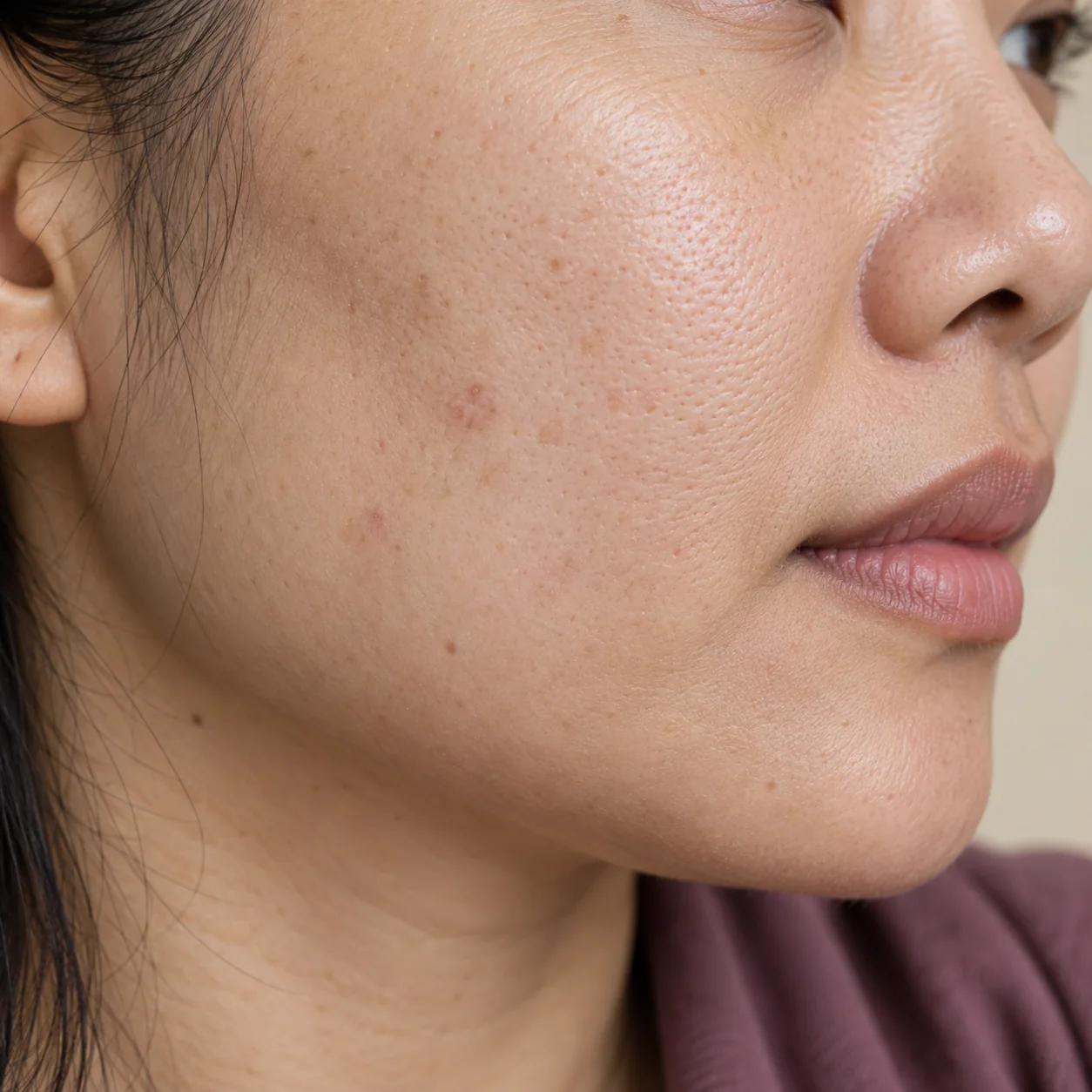
Consider an illustrative comparison between a manual roller, a medical motorized needling device and a radiofrequency microneedling system. All may be discussed using the word needling, but the actual intervention and risks are not identical. A person seeking advice about texture should ask which system is proposed and why it relates to the assessed finding. If energy is involved, that should be explained separately. If a serum or another product is added, ask what supports that combination rather than assuming surface-use instructions cover a medical procedure.
This example is a vocabulary aid, not a recommendation for a device. It helps prevent a broad label from replacing the consent discussion. To compare proposals, record the intended concern, device category, added products if any, recovery instructions and review point. Ask how current skin health and previous responses have been considered. A photograph of temporary redness cannot identify whether an intervention is suitable or predict its result.
Likewise, a simple product description does not prove that every use or combination has been assessed. Keep jurisdiction-specific authorization information separate from the clinician's explanation of local use. At follow-up, discuss the agreed skin finding and any unwanted changes before considering another session. If an earlier description turns out to refer to a different technique, request a fresh explanation rather than treating the change as minor terminology.
Understanding the distinction gives you a practical basis for deciding whether the proposed procedure fits your goal. The example does not set needle depth, device settings or the timing of treatment.
Read the linked device information as a way to ask better questions, not as a shopping list. Write down whether your main interest is ordinary microneedling, RF microneedling or a combination, then ask the clinician to confirm the distinction. Keep the consent information with your treatment record. If a new procedure is suggested later, compare its purpose and risks with the original plan rather than treating every needling session as identical.
Your own notes
Confirm whether the proposal is mechanical needling, RF needling or a combination. Record the device category, additional products and review point. Ask how current irritation and previous responses affect suitability before making preparation changes.
Explore the topic
Explore the related guide →Further reading
Open the supporting patient information ↗Sources for this topic
United States patient information. Regulatory details apply to that jurisdiction; local availability and individual suitability require separate confirmation.


