


01 · Aesthetic treatments
What to understand
Start by asking what the proposed injection is intended to change. A discussion about volume differs from one about muscle movement or skin quality. Confirm the exact product, the treatment area, the clinician responsible and whether the proposed use fits your needs. Disclose previous injections even if you do not remember the brand.
Injectable aesthetics is a broad category, not a single treatment. Botulinum toxin, dermal fillers and products discussed for skin quality have different purposes. Adjusting muscle activity is not the same as adding selected volume, and neither automatically answers every concern about texture or facial balance. Begin with the change you notice and the features you want to preserve. Explain whether the issue appears during expression, at rest or under particular lighting.
Ask which finding the proposed product aims to address and what it will leave unchanged. You should not need to choose a brand or amount before an assessment. A consultation can identify whether an injectable is appropriate, another approach deserves consideration or no procedure is needed. The product name should follow the clinical discussion rather than define your goal. Be specific about what a worthwhile change would mean without expecting to reproduce another person's face.

02 · Aesthetic treatments
Plan the next step
Ask about alternatives, limitations, complications and the arrangements for urgent assessment. Request clear aftercare and a contact route before proceeding. A subtle result still requires a considered medical decision; the word natural does not remove risk or guarantee a particular appearance.
Prepare an accurate history of previous injections and other facial procedures. Bring product names, dates, treatment areas and records when available, including treatment performed elsewhere. Mention persistent lumps, asymmetry, unusual swelling or other previous reactions. Include medicines, allergies and relevant health circumstances so that the clinician can decide what matters. If the exact earlier product is unknown, say so rather than guessing. Ask how that uncertainty affects the next step.
A new consultation should not assume that an earlier treatment was uncomplicated simply because you are requesting another. Discuss timing around travel, important events and the ability to obtain review. Before consenting, understand who will perform the procedure, which product is proposed and why the area is suitable. The explanation should include practical aftercare and contact arrangements rather than focusing only on the desired appearance or a price per unit.

03 · Aesthetic treatments
What does this product aim to change?
Ask for the exact product and intended purpose. Discuss the area and limits of the proposed change before agreeing to treatment.
Ask what the product is designed to change and how that relates to the examination. A line associated with muscle movement may require a different discussion from a hollow or a concern about skin texture. Products should not be treated as substitutes merely because they are injected. Clarify the exact name and intended area, what information supports its use and what alternatives exist. Overseas regulatory information can be useful background, but authorization is specific to a product, use and jurisdiction; it does not establish Malaysian approval or an individual indication.
You should also understand whether a proposed use differs from the product's approved instructions and what that means for the discussion. Avoid choosing an amount based on an online photograph. The decision should reflect the assessed area and your priorities, including a preference for a subtle change or preserving particular expressions. Ask for time to consider the options if needed.

04 · Aesthetic treatments
Which important risks should I understand?
Request an explanation of important risks and alternatives, including waiting. Take time to review the information before giving consent.
Benefits and risks need to be discussed together. Common temporary effects are not the whole risk conversation, and a serious complication may be uncommon without being irrelevant. For dermal fillers, the FDA describes risks including inadvertent injection into a blood vessel, which can lead to tissue injury and visual or other serious problems. Ask about the important risks for the exact product and area, how consent is handled and what arrangements exist for unexpected events.
Do not accept a general label such as non-surgical as proof that a procedure has no medical risk. Also clarify limits and uncertainty in the expected result. Photographs can illustrate a type of change, but cannot guarantee your response. A useful explanation lets you weigh whether the possible benefit matters enough to you given the risks, recovery, cost and potential need for further assessment.

05 · Aesthetic treatments
How are unexpected problems assessed?
Confirm the clinic contact route and assessment arrangements for unexpected symptoms. Ask for written instructions you can refer to after leaving.
Follow-up arrangements should be clear before an injection takes place. Ask when the planned result can be assessed, what temporary changes may occur and which symptoms require urgent care. After a filler procedure, unusual pain, visual change or a concerning skin-colour change should be assessed promptly; do not wait for an ordinary review or a WhatsApp reply if symptoms are serious. Obtain written instructions and keep the product, area and date with your record.
Do not massage, add products or seek another injection based only on general online advice. At review, discuss the intended feature, unwanted effects and your own experience rather than judging only a single photograph. Further treatment should have a specific reason. A good decision can include waiting or stopping after a change you consider sufficient. This guide helps organise the consultation but does not recommend a product, dose or procedure for you.
A practical comparison
Illustrative scenario, not a patient record.
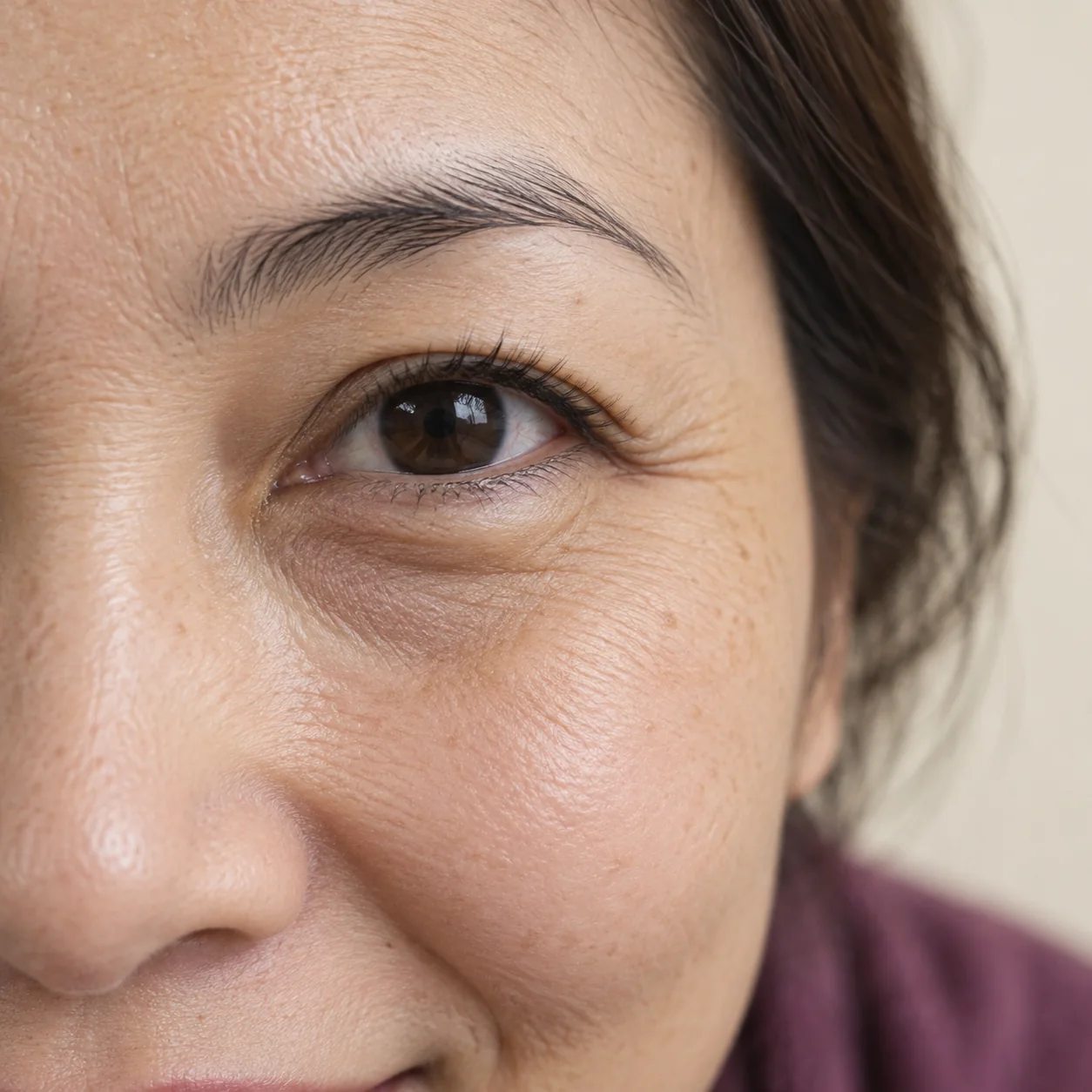
Consider an illustrative person who notices a line during expression and another who is mainly concerned about a hollow at rest. Both may ask about injections, but the findings and proposed purposes need separate explanation. A product affecting muscle activity and a filler aimed at selected volume should not be treated as interchangeable because both use a needle. The assessment should show which finding is being addressed and what the proposed option will leave unchanged.
This is an educational comparison, not an individual treatment recommendation. To compare proposals, write the concern beside the product category, area and purpose. Add alternatives, important risks, recovery and review arrangements. Ask what is known about previous products in the area and whether uncertainty changes the plan. A quantity advertised for another person's face is not an assessment of your needs. If a procedure is proposed, clarify the exact product and consent information before deciding.
At review, return to the original finding rather than judging only a filtered whole-face image. Mention unwanted effects as well as the preferred appearance. Another injection should have a reason connected to those observations, and you can choose to wait or stop. The example helps keep terminology precise so that a procedure label does not replace a discussion of your features and priorities. It does not set a dose, recommend an injection site or promise the same result as a photograph.
Urgent symptoms require the appropriate medical response rather than using this comparison as aftercare advice.
When comparing proposals, write the treatment aim beside the product and area. Keep the explanation of alternatives, recovery and follow-up with that note. This makes it easier to spot a mismatch between a concern about movement and a proposal about volume, or between a skin-quality goal and a different intervention. Ask the clinician to clarify the mismatch before deciding rather than relying on promotional terminology.
Your own notes
Write the observed feature beside the proposed product category, area and purpose. Bring previous injection records when available. Compare alternatives, important risks and follow-up before deciding on an intervention or discussing quantities.
Explore the topic
Explore the related guide →Further reading
Open the supporting patient information ↗Sources for this topic
United States patient information. Regulatory details apply to that jurisdiction; local availability and individual suitability require separate confirmation.