


01 · Aesthetic treatments
What to understand
Explain where you notice laxity and what a worthwhile change would look like. Ask whether the concern mainly involves skin, volume, deeper support or a combination. The assessment should come before comparing threads, energy-based devices or surgery by name.
The word lifting can describe quite different concerns: skin laxity, facial volume, contour, surface texture or a combination. A person who notices a change in the jawline may not have the same findings as someone concerned about an upper-face expression. Begin by showing the area and explaining what you hope to change. Include the features you want to keep, since an aesthetic plan should not assume that every visible change needs correction.
The assessment should distinguish the tissues or findings being discussed before comparing techniques. Non-surgical options and surgery have different aims, limits and recovery requirements. A general lifting label does not mean that an energy-based procedure, thread or injection will reproduce a surgical result. Ask which part of the concern a proposed approach targets and which part may remain. A clear explanation is more valuable than a promise of a younger-looking face.

02 · Aesthetic treatments
Plan the next step
Discuss how much change is realistic, when it might be assessed and whether further treatment could be needed. Compare recovery, important risks and the limits of non-surgical approaches. A low-downtime description does not mean no recovery or that the result will match surgery.
Preparation means understanding previous care and practical constraints. List prior fillers, botulinum toxin, threads, energy-based procedures or surgery, with dates and records when available. Mention persistent discomfort, altered sensation, unusual swelling or a result you did not like. Include relevant medicines and health history so that the clinician can assess suitability. Say if you have a deadline, travel plans or limited ability to return for review.
Those constraints may change timing or make waiting more appropriate. Ask whether further assessment is needed before a procedure is discussed. You do not have to select a technique from a website in advance. A consultation should help identify the dominant finding, available choices and their uncertainties. If several methods are offered together, request an explanation of what each contributes rather than assuming that a longer list automatically produces a more complete or suitable result.

03 · Aesthetic treatments
Which feature is the treatment targeting?
Discuss skin quality, volume and contour separately. Ask which feature is the priority rather than choosing by a treatment name.
Ask the clinician to connect the proposed technique to the actual feature. A surface-texture treatment, a volume approach and a procedure aimed at laxity do not answer identical questions. Clarify the purpose, treatment area and limits in language you can repeat afterwards. Discuss what could improve, what is unlikely to change and what would make another option more appropriate. If surgery is mentioned as general information or a cross-border guide, confirm where assessment and treatment would occur; an informational page is not proof that Eco Botanic provides the operation.
Overseas product or procedure descriptions also do not establish local authorization or availability. You can choose to discuss only the options relevant to your goal. The decision should account for your history, preference for change and tolerance for recovery, without treating the name lifting as a guarantee of a particular degree of movement or lasting effect.

04 · Aesthetic treatments
What change is realistic without surgery?
Ask the clinician to describe the likely limits in your own case. Compare the assessment, recovery and alternatives before deciding.
Realistic expectations are especially important when comparing surgical and non-surgical care. Ask what kind of change the proposed approach can reasonably aim for and why it fits the degree and nature of the findings. Do not use a photograph taken from a different angle as proof of a dramatic lift. Lighting, posture, expression and temporary swelling can alter the apparent contour. Discuss how photographs will be standardized and when a meaningful review can occur.
Understand device- or procedure-specific risks and aftercare rather than relying on the phrase minimal downtime. A modest concern may not justify a more invasive approach, while a substantial change may not be achievable with the least disruptive option. You should be able to weigh benefit, limits, recovery and cost together. Choosing to wait or leave a feature unchanged remains part of an informed aesthetic decision.

05 · Aesthetic treatments
When should the result be reviewed?
Record the agreed review timing and how progress will be photographed. Ask what would lead to a revised plan instead of assuming repeat treatment.
A review should evaluate the original goal and any unwanted response. Ask when the outcome is best assessed for the chosen technique and what would lead to further treatment, a pause or another assessment. Keep dates, product or device details and recovery notes so that the response can be connected to the right procedure. Do not automatically repeat a treatment because an early image looks similar or because a package contains another visit.
If something is unexpected, seek the instructed assessment before adding another intervention. Discuss the practical value of the change: whether it meets your preference and whether the recovery burden was acceptable. A future plan should follow those observations. This guide describes a way to compare possibilities and prepare questions, not a promise of a specific lifting effect, duration or number of sessions. Suitability and local availability need confirmation during the consultation.
A practical comparison
Illustrative scenario, not a patient record.
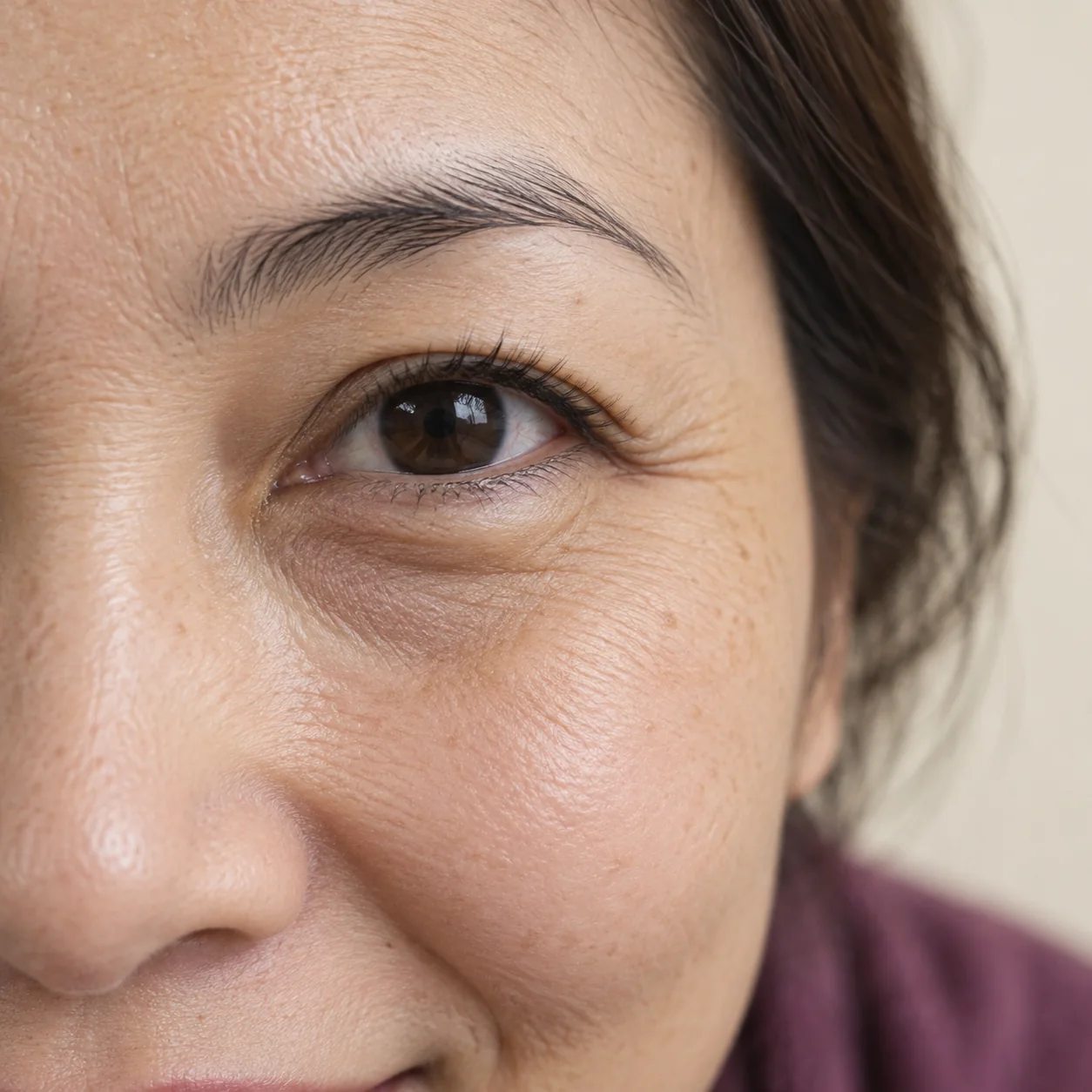
Imagine an illustrative comparison between a concern about loose skin and a concern about a surface line. Both may be described as wanting a lift, but that label does not define the tissue or finding. A useful consultation distinguishes the observations before describing techniques. If the proposed approach targets one component, ask which other components may remain. This example does not decide which procedure is appropriate.
It shows why a desired overall appearance needs to become a more specific, assessable goal. For your own questions, record the area, when the change is noticeable and which features you want to preserve. Ask the clinician to explain the dominant finding and how the proposed method relates to it. Compare surgical and non-surgical descriptions through their actual purpose, limits and recovery rather than assuming the same result.
If a cross-border information page is discussed, clarify where assessment and care would take place and what is confirmed. At follow-up, standardize posture, expression and light so that a camera change is not mistaken for tissue change. Review the practical value of the outcome as well as the image. If the proposal changes, ask what new information supports the change instead of continuing a generic lifting course automatically.
The framework supports an informed choice, including waiting or leaving a feature alone. It does not guarantee a degree of lift, a duration or a course of sessions, and it does not establish local availability of a method mentioned for general education.
Before deciding, ask for a simple summary of the finding, proposed method, alternative and review point. If the plan changes later, compare it with that summary so that the reason remains clear. Preserve your own preference about subtlety and features you value. A treatment should serve an agreed goal rather than make the face conform to a generic example used in advertising.
Your own notes
Describe the area and features you want to preserve before comparing techniques. Ask whether laxity, volume or surface texture is the dominant finding. Keep the purpose and limits of each proposal beside its recovery and review requirements.
Explore the topic
Explore the related guide →United States patient information supporting consultation questions and the relevant treatment background; local authorization and availability require separate confirmation.